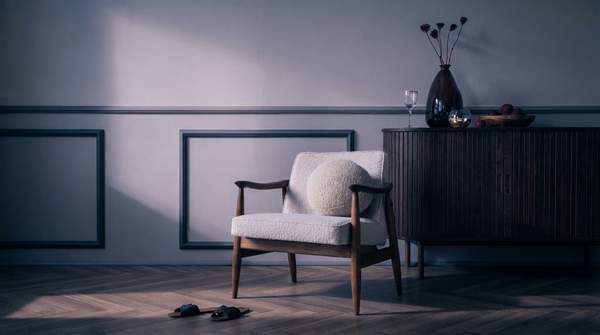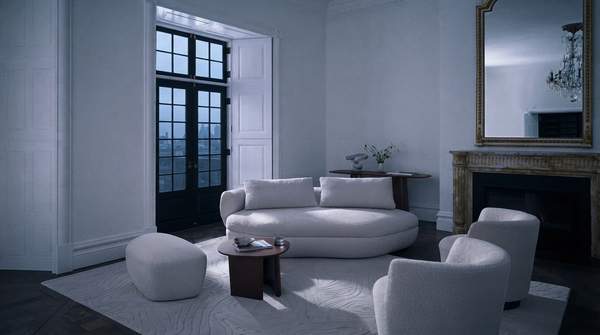
If you want decor that still looks considered a decade from now, interior designers converge on a short list of categories: quality lighting, solid wood dining tables, versatile chests and sideboards, hand-knotted rugs, original artwork, and well-displayed book collections. What unites them is not price but longevity in both materials and style. Below, we synthesize the designer recommendations and the durability standards that let you judge any candidate piece before you commit.
Why Invest in Timeless Home Decor?
The case for investment pieces is partly economic and partly aesthetic. As The English Home's style editor Amber-Rose Hurst puts it, falling for a fleeting trend is easy, but discovering your rooms look completely dated a few seasons later is frustrating; her advice is to prioritize classic proportions and enduring quality for "real staying power."
Laure Nell Interiors founder Laetitia Laurent frames it similarly: an investment piece is "defined by more than just price. It's about quality, craftsmanship, provenance, and timelessness." Her examples—the restored vintage sideboard rather than the replaced one, the hand-knotted rug that grounds a living room, the locally made dining table that took months to build—all share "longevity, both in materials and style." The practical payoff: fewer replacements, and one exceptional item can uplift an entire room.
Key Categories for Long-Term Decor Investments
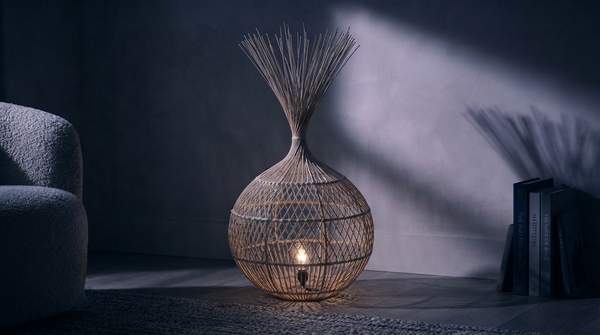
The same categories recur across designer interviews. Lighting tops many lists. North Carolina designer Grey Joyner calls it "one investment that has serious staying power," adding that "good lighting lasts for a long time and can keep a space looking well designed and neat."
Dining tables carry a generational argument. "Dining tables hold many memories of family and friends sharing chats and good times," says Lucy Gleeson of Lucy Gleeson Interiors. "It's good to be able to pass it down the line. If you pick wisely, even the wear and tear that comes over time add to its beauty."
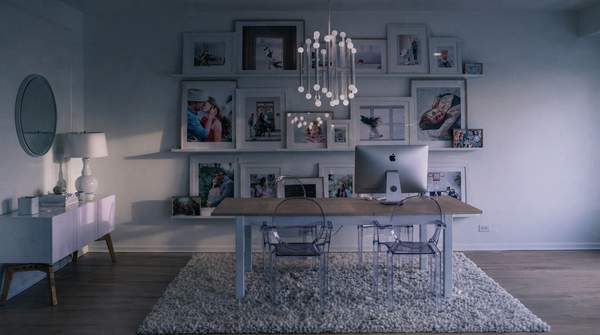
Versatile storage earns its place through adaptability. Lindsay Atapattu of LEB Interiors praises the antique chest for working "in so many different rooms of a home"—bedroom clothes storage, entryway catch-all, or family-room TV stand. Rugs, artwork, and books round out the consensus: a hand-knotted rug grounds a room, original art brings "a soulfulness, texture, and individuality" that trends cannot touch, and open-shelved book collections create a look The English Home describes as never going out of fashion.
The Investment Decor Decision Framework
Before buying anything, run the piece through three criteria distilled from the designer sources: material quality, craftsmanship, and timeless style. A fourth dimension—function and versatility—appears throughout the advice, from Kate DeWitt's test ("Will this be of use to me when it's not being displayed?") to Atapattu's multi-room chest. A true investment piece satisfies all three of the first criteria and ideally the fourth; a trendy buy usually fails at least two.
The framework deliberately excludes brand names and resale values. This is aesthetic and material longevity, not financial advice—and the recommendations that follow reflect the opinions of the cited designers and publications rather than market data.
Criterion 1: Uncompromising Quality of Materials
For upholstered pieces, quality has a measurable proxy: the double rub count. A double rub is one complete back-and-forth pass of an abrasive material across fabric, and it is the standard unit for measuring how long upholstery will hold up. Cozyhome's guidance is blunt: for a family-room sofa that sees daily use, target at least 30,000 double rubs (Wyzenbeek) before falling in love with a swatch. Fabric Resource echoes 30,000 as the practical minimum for a family room sofa, with 40,000 to 50,000 a more comfortable target for kids or pets.
The full scale, per Cozyhome's reference table: decorative or occasional-use pieces run roughly 9,000 to 15,000 double rubs; light residential (guest rooms, formal living rooms) 15,000 to 25,000; standard everyday family seating 25,000 to 40,000; heavy residential with kids, pets, and high traffic 40,000 to 100,000. Note that Wyzenbeek dominates in North America while Martindale is the European standard, so compare like with like.
Criterion 2: Superior Craftsmanship and Construction
Craftsmanship is what separates a durable piece from an expensive one. Laurent's examples make this concrete: the vintage sideboard you had restored rather than replaced, and the dining table that took months to build locally, are investment pieces precisely because of the work inside them. Restoration itself is a signal—furniture worth restoring is furniture worth keeping.
Provenance belongs in this criterion too. A Pierre Jeanneret chair found in a Paris flea market or a locally made table carries a story that, in Laurent's framing, gives the piece longevity beyond its materials. Craftsmanship also determines how a piece ages: Gleeson's point that wear and tear "adds to its beauty" only holds for wood and joinery that can take decades of use gracefully. A well-made piece rewards use; a poorly made one simply degrades.
Criterion 3: Timeless Style and Versatility
Timelessness is the hardest criterion, but the designers offer workable proxies. The first is versatility: Atapattu's chest works in a bedroom, entryway, or family room, which means it survives changes in layout and address. The second is function beyond display—DeWitt's coffee table books, cashmere throw, and crystal glasses provide "both style and functionality," so they never become dead weight when trends move on.
The third proxy is avoidance of trend markers. Hurst's warning about rooms that look dated "just a few seasons later" implies the inverse test: would this piece have looked at home ten years ago, and will it in ten years? Classic proportions and enduring quality are her stated anchors. Books and original art pass this test naturally—"choices that carry a sense of story," in The English Home's phrasing, resist obsolescence because they were never trend-dependent to begin with.
Investment Decor Decision Checklist
Use the checklist below to evaluate any potential purchase. A piece needs to pass material quality, craftsmanship, and timeless style to qualify as an investment; functionality strengthens the case. If it fails two or more criteria, treat it as a trend buy and spend accordingly—less.
| Criterion | What to verify | Evidence-based standard | Verdict logic |
|---|---|---|---|
| Material quality | Upholstery: double rub rating on spec sheet; case goods: solid wood construction | At least 30,000 double rubs (Wyzenbeek) for daily-use seating; 40,000–50,000+ for kids or pets | Below 25,000 DR on a daily-use sofa = pass |
| Craftsmanship | Joinery, restorable construction, maker's story | Pieces worth restoring rather than replacing (Laure Nell Interiors) | No repairable construction = pass |
| Timeless style | Would it have fit ten years ago and ten years from now? | Classic proportions, no single-season trend markers | Trend-dependent silhouette = pass |
| Function and versatility | Works in multiple rooms; useful when not displayed | DeWitt's test: "Will this be of use to me when it's not being displayed?" | Display-only with one use = caution |
A worked example shows the logic: a 34,000-double-rub family-room sofa with a classic English roll silhouette and a solid kiln-dried frame passes all four rows—buy it as an investment. The same sofa in a bold single-season colorway with a glued particleboard frame fails craftsmanship and timelessness—pass, or budget for it as a short-term piece.
One boundary on the rub-count row: industry guidance, as Cozyhome notes, indicates results above 100,000 double rubs add limited value for most homes—chasing the biggest number usually means paying for durability you will never use.
Making Confident Decor Investments
The decision: prioritize home decor purchases that demonstrate high material quality, superior craftsmanship, and timeless design versatility, especially for foundational pieces like seating and dining tables. This is a synthesis of the cited designers' opinions on investment pieces and timeless decorating—not market resale data, and not brand-specific guidance.
The measurable indicator that the strategy is working: a reduction in the frequency of decor replacements and a sustained sense of style and quality in the living space over several years. The next time you are weighing a purchase, run the four-row checklist first; a piece that passes material quality, craftsmanship, and timelessness earns its price, while a trendy buy that fails two or more rows should be passed on.
Sources
- 13 timeless decorating ideas for a home that never dates — Theenglishhome
- Investment Pieces for Your Home - Timeless Design That Tells Your Story — Laure Nell Interiors
- 5 Timeless Home Items That Are Always Worth The Investment, According To Interior Designers — Grey Joyner Interiors
- What Double Rubs Mean for Fabric Durability — cozyhome
- Upholstery Rub Count Explained: Martindale Vs Wyzenbeek Guide — Fabric Resource