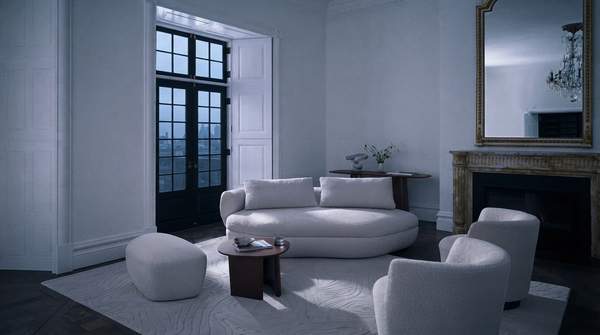
Quiet luxury in interior design is not a brand, a price tag, or a bare room. It is a discipline built on five commitments: high-quality natural materials, impeccable craftsmanship, neutral palettes with textural depth, deliberate restraint, and designs chosen to endure rather than chase trends. Design writers describe the aesthetic as one where surfaces whisper rather than shout their quality, where what an object is made of matters more than how it photographs, and where a room may hold many objects but none that arrived by accident. The good news for the reader is that these principles are testable. Before any purchase, a material, a piece of furniture, or a decorative object can be evaluated against them, item by item, and the result is a clear judgment: it belongs, or it does not.
The Pillars of Understated Elegance: Core Principles
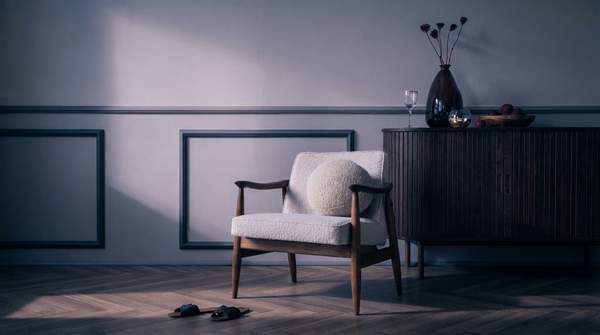
The foundation of the look is material integrity. In a quiet luxury interior, what something is made of matters more than what it looks like at first glance—solid wood frames, natural stone, hand-woven textiles, and top-grain leather hold up physically and visually over time, developing character that fast furniture cannot. This is the defining principle behind intentional luxury furnishing in the view of the lifestyle guide THELIFESTYLEDCO's editorial on the style, and it is echoed by makers' marketplace The Oblist, whose guide to the style notes that premium natural materials showcase their inherent beauty without artificial enhancement. Weight, texture, and finish quality are what distinguish investment pieces from superficial imitations.
Craftsmanship is the second pillar. The Oblist points to hand-finished edges, precise joinery, and material consistency as the observable markers of genuine artisanal work—details a reader can inspect with a hand and an eye, not just a brand name. A related ethos, articulated by designer Julianna Cementina on the Native Trails home journal, frames the whole approach as one of "enduring beauty, impeccable craftsmanship, and a sense of calm," where materials age gracefully rather than degrade into shabbiness. Authentic makers, the Oblist adds, prioritize material integrity over decorative flourishes: the quality lives in the construction, not the ornament.
Aesthetic Elements: Palette, Restraint, and Timelessness
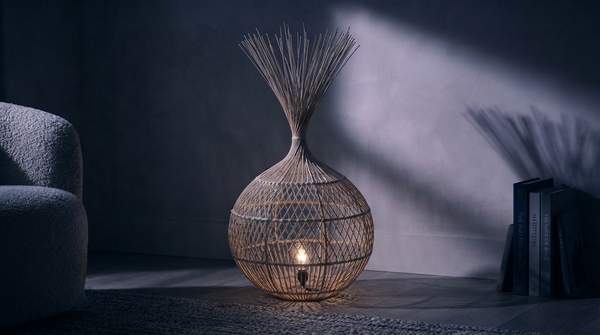
The color language of the style leans toward warm neutrals—cream, sand, taupe, warm white, and soft clay—but it is deliberately not flat. Depth comes from layering materials and tones that sit close in hue but vary in texture: a linen sofa against a plaster wall over a wool rug reads as sophisticated precisely because it refuses contrast. High-end understated decor relies on texture, proportion, and light rather than pattern or color for impact, so surfaces invite touch—smooth marble, woven linen upholstery, naturally aged wood that tells stories through its grain. The overall effect should feel effortlessly curated rather than obviously designed.
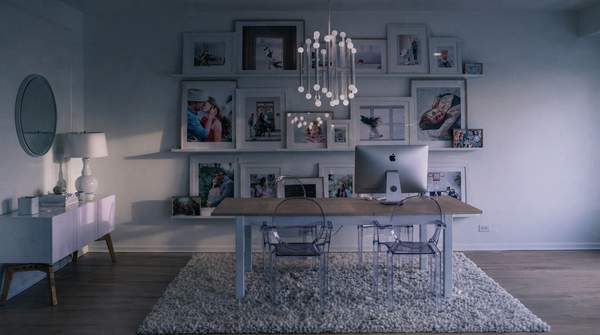
Restraint in this context means deliberate, not bare. A single sculptural candle holder, an oversized original artwork, or one thoughtfully chosen rug carries more presence than a shelf crowded with accumulated things. Proportion carries similar weight: furniture correctly scaled to the room is one of the most impactful moves available, since pieces that are too small feel tentative and pieces too large feel forced. Lighting, too, functions as architecture rather than afterthought—a well-chosen pendant finishes a room the way a well-tailored coat finishes an outfit.
Timelessness binds the other elements together. Matt Mynors, writing for bespoke interiors studio Nicholas Anthony, grounds the aesthetic in artefacts and natural materials—stone and characterful timber—that have grown in beauty across millennia, calling substance and storytelling the epitome of quiet luxury. Cementina reaches the same conclusion from the other direction: in a world that values the fleeting and the showy, true elegance comes from simplicity, authenticity, and thoughtful design, producing spaces both beautiful and practical.
Quiet Luxury vs. Minimalism: Understanding the Nuances
The two styles are routinely confused, and the difference matters when a reader is deciding what stays and what goes. Berlin studio House of Nuances draws the line cleanly in its style guide: minimalism is a formal design discipline defined by reduction and the active use of negative space, while quiet luxury prioritizes depth of material and intentionality of selection. A quiet luxury room can contain many objects, but none that are there by accident. The distinction is editing, not emptying.
That distinction shows up in three practical ways. First, warmth: quiet luxury leans on rich textures and warm natural materials—plush textiles, warm neutrals, and polished surfaces in the words of LUXE Interiors + Design's style inspiration pages—creating an atmosphere that is comfortable and inviting rather than stark. Second, material depth: where minimalism can strip a room to its shell, quiet luxury builds comfort through layered, touchable surfaces. Third, the role of objects: minimalism privileges empty space and minimal possessions, while quiet luxury welcomes carefully chosen, meaningful objects that add character and story. The key, as the Oblist frames it, is selecting fewer exceptional pieces with incredible craftsmanship rather than filling rooms with multiple items.
Your Quiet Luxury Diagnostic Checklist
Use the framework below to test any material, furniture piece, or decor item before it enters your home. Answer each question honestly; the evidence supports a clear pattern.
| Principle | Diagnostic question | A "yes" looks like |
|---|---|---|
| Material Integrity | Is it made from a high-quality natural material that ages well? | Solid wood, natural stone, linen, wool, top-grain, or full-grain leather—substances that develop character over time |
| Craftsmanship | Does the construction show observable quality: tight joinery, hand-finished edges, material consistency? | Joinery that fits without gaps, consistent weight and finish, no decorative flourishes masking weak structure |
| Color Palette | Is it a warm, neutral tone that layers with—rather than fights—its neighbors? | Cream, sand, taupe, warm white, or soft clay, earning interest through texture rather than bold pattern or contrast |
| Proportion and Scale | Is it correctly scaled to its room and its neighboring pieces? | Neither so small it feels tentative nor so large it feels forced |
| Intentionality (Restraint) | Does it serve a purpose—functional or deeply chosen—rather than fill space? Did you select it, or merely accumulate it? | Every element earns its place; the room can hold many objects, but none present by accident |
| Timelessness | Would it still feel elegant in ten years, independent of this season's trend cycle? | Enduring design whose beauty grows with age, not a piece tied to a passing fashion |
Read the result directly: consistent "yes" answers mean the choice fits the quiet luxury ethos and can be purchased or placed with confidence. Any firm "no"—especially on material integrity, intentionality, or timelessness—signals a trend-driven or superficial piece, and the pattern holds at every price point, since the test examines substance and selection rather than cost. Two caveats: this checklist evaluates individual design choices, not renovation techniques or room-by-room DIY plans, and it deliberately names no brands or products, because the diagnostic works on any object regardless of who made or sold it.
Cultivating Understated Elegance: Your Next Steps
The decision this article supports is simple to state and demanding to practice: prioritize quality, intentionality, and timelessness in every design choice to build a home that embodies quiet luxury. That means fewer, better objects; materials that reward touch and age; palettes layered close in hue but far in texture; and rooms edited rather than emptied.
The measurable indicator is equally concrete. After each new purchase or design element, observe whether it contributes to a sense of effortless curation, warmth, and enduring sophistication—or whether it reads as overt display or a nod to a fleeting trend. One failing the first test and passing the second is the item to release. A home that consistently passes is not merely decorated; it is the aesthetic's whole argument, made quietly.
Sources
- Quiet Luxury Interior Design: What It Really Means — THELIFESTYLEDCO Shop
- What Is Quiet Luxury Interior Design? Guide — The Oblist
- Quiet Luxury and the 4 Design Ethos that Define it — Nativetrailshome
- Quiet Luxury Interior Design: What It Really Means in 2026 — House of Nuances
- 17 Quiet Luxury Interior Designs For A Sophisticated Outlook — LUXE Interiors + Design