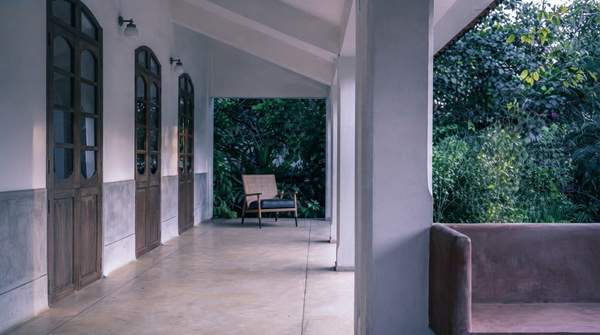
Japandi works because its two parent traditions already agree on the essentials: natural materials, honest craftsmanship, and calm, functional living. The style pairs the darker, grounded restraint of Japanese design with the light woods, soft textiles, and cozy warmth of Scandinavia. The result is neither strictly East nor West, but a deliberate synthesis that interior designers describe as serene and inviting. This guide breaks down exactly what each tradition contributes and how to combine the two with intention.
Introduction to Japandi: Blending East and West
Japandi is a fusion of Japanese minimalism and Scandinavian functionality, and despite the vast cultural distance between the two regions, they share core design principles. Writing for Grain & Frame, Samuel Moseley notes that where Japanese minimalism fuses with Scandinavian functionality, the two styles converge on simplicity, natural materials, and clean living rather than clashing.
The pairing is not entirely new. Emilceramica's design guide traces the style's cultural roots to the mid-19th century, when Japan opened to international trade and European designers began absorbing Japanese principles of craftsmanship, material honesty, and spatial restraint. In its contemporary form, Japandi has become one of the most sought-after interior languages precisely because it resolves a familiar tension: how to make minimalism feel warm.
The essential move, according to the comparison drawn by the Nordic interior specialists at Nordic Nest, is balance. Scandinavian design brings light woods, soft textiles, bright spaces, and cozy details; Japanese design brings darker tones, minimal styling, organic shapes, and a grounded feel. Japandi is the equilibrium between the two—neutral colors, clean lines, and a mix of light and dark materials that make spaces feel both structured and inviting.
Philosophical Roots: Wabi-Sabi and Hygge
Every Japandi decision traces back to two philosophies that, while distinct in origin, converge on the same goal: a mindful, comfortable living environment. From Japan comes wabi-sabi, the mindset of embracing imperfection. From Denmark comes hygge, the warm and welcoming concept of coziness and well-being. Combining the two produces what Homes and Gardens, drawing on advice from interior designers, calls a refined and minimalistic take on interiors.
Rocky Mountain Hardware's guide, credited to Cortney Gillett, locates the deeper historical roots of these traditions: Zen Buddhism, with its emphasis on tranquility and simplicity, shaped Japanese minimalism, while Scandinavia's harsh climate and limited resources produced a design culture built on function and light. Crucially, both cultures valued natural light, natural materials, well-designed craftsmanship, and a deep sense of calm in daily life—shared values that make the fusion feel coherent rather than forced.
In practice, the philosophies translate into concrete choices. Wabi-sabi gives permission to embrace imperfection, and to favor natural, eco-friendly, and sustainable materials wherever possible, as Architectural Digest's guide recommends. Hygge explains why a Japandi room is never cold: minimalism, in this style, always comes with warmth.