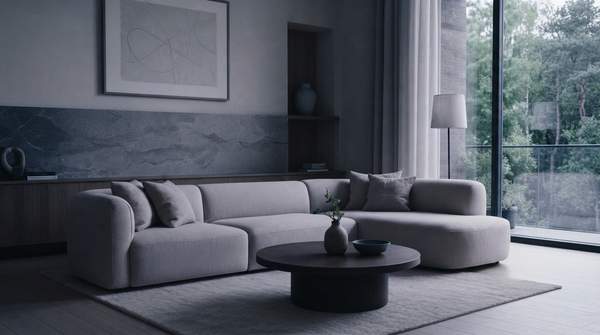
Simply being in the presence of natural elements, such as houseplants, actively engages the body's relaxation response. This leads to reduced stress and a measurable lowering of blood pressure, a direct physiological benefit from integrating nature indoors. This connection between our built environments and intrinsic well-being is often overlooked.
While many assume interior design is primarily about aesthetics, scientific evidence demonstrates that specific design choices profoundly impact our physiological and psychological well-being. The arrangement of living spaces and offices extends beyond visual appeal, influencing our core biological functions and mental states in tangible ways.
Ignoring biophilic design principles means overlooking a powerful, accessible tool for enhancing human health and performance in everyday environments. Spaces devoid of natural integration can become silent stressors, not supportive ecosystems for human flourishing. For more, see our What Are Biophilic Design Principles.
Understanding Biophilic Design: More Than Aesthetics
Biophilic design, a concept gaining traction in modern home interiors for 2026, fundamentally aims to improve human health, well-being, and productivity. It draws on our innate connection to the natural world, a bond often referred to as biophilia, according to learnbiomimicry. This approach integrates natural patterns, light, views, and materials into architectural and interior spaces, moving far beyond simple plant placement.
This philosophy suggests our physical and mental health benefits when surroundings mirror the natural world. Humans evolved in natural settings, possessing an inherent affinity for natural forms and processes. A biophilic space fosters calm and connection, influencing occupants on a deep, subconscious level.
Biophilic principles frame interior design as a crucial component of environmental health, not merely an artistic endeavor. It creates spaces that not only appeal visually but also actively support inhabitants' physiological and psychological needs. This holistic perspective ensures design decisions contribute positively to overall well-being.
Crafting Environments for Human Flourishing
The absence of natural elements in contemporary interiors can inadvertently transform a living space into a source of subtle, persistent stress. Many minimalist designs, while appreciating negative space and clean lines, often overlook the vital role of natural textures, varied lighting, and organic forms. This oversight compromises human cognitive function and productivity, despite aesthetic appeal.
Architects and designers increasingly recognize that refined interiors balance modern sensibilities with natural materials and craftsmanship. Incorporating wood, stone, and natural fibers provides a tactile connection to the earth, enriching a room's sensory experience. Thoughtful application of such materials creates an atmosphere of understated elegance and comfort.
Spaces neglecting biophilic integration become silent stressors. Lacking elements resonating with our biological heritage, these environments demand more cognitive effort from occupants. This continuous, low-level strain diminishes focus and overall well-being. Design is not a neutral backdrop; it actively determines human experience.
Beyond Aesthetics: Therapeutic Interventions
Biophilic design interventions offer benefits extending beyond psychological comfort to direct physical alleviation, including pain relief. This counterintuitive finding reveals the profound influence of built environments on our physical health. Integrating natural elements functions as a legitimate therapeutic intervention, capable of influencing physiological recovery and reducing discomfort.
Traditional interior design often prioritizes visual harmony or functional efficiency. Biophilic principles, however, introduce a deeper layer of consideration. They acknowledge that surroundings can either impede or enhance our body's natural healing processes. Fostering a connection to nature, these designs activate restorative responses within the body, directly influencing physical health outcomes.
This perspective shifts design from aesthetic enhancement to a powerful tool for health and recovery. Thoughtfully designed spaces can reduce the need for certain medical interventions by creating environments that inherently support well-being. This impact confirms the critical role of integrating natural elements into every built environment.
Biophilic Design's Tangible Benefits: Health, Focus, and Productivity
Biophilic interventions improve relaxation, reduce stress and depressive symptoms, and provide pain relief, according to pmc. These physiological advantages extend to cognitive and professional domains. Such interventions significantly reduce stress during cognitively demanding tasks, lower cortisol levels, reduce heart rate, and activate the parasympathetic nervous system, as detailed by learnbiomimicry.
These measurable physiological responses directly translate into tangible economic advantages. Biophilic design in workplaces is estimated to increase productivity by 8–15%, reduce absenteeism, and improve staff retention, according to learnbiomimicry. This biological pathway from design choices to bottom-line impact confirms the strategic value of this approach in commercial and residential settings.
Companies failing to integrate biophilic elements into their workplaces, based on learnbiomimicry data, sacrifice 8-15% of potential productivity and increase staff turnover. The evidence from pmc and learnbiomimicry, showing pain relief and parasympathetic nervous system activation, confirms built environments are powerful determinants of physical health and recovery. Adopting biophilic principles is not a subjective preference, but an evidence-based strategy for health and performance optimization.
What are the benefits of biophilic design in homes?
Integrating biophilic design into homes offers several distinct advantages, including improved sleep quality and a reduction in domestic stress. Environments rich in natural light and organic textures contribute to a calmer home atmosphere, fostering better emotional regulation. This translates to a more restorative living experience, enhancing overall family well-being.
How can I incorporate biophilic design into my living room?
To integrate biophilic design into a living room, consider adding living plants, such as large potted ferns or hanging philodendrons, and maximizing natural light with sheer curtains or unobstructed windows. Introduce natural materials like a wooden coffee table, a wool rug, or stone accents. Additionally, choose art that depicts natural scenes or patterns to reinforce the connection to the outdoors.
What are the key elements of biophilic design?
Key elements of biophilic design include direct and indirect connections to nature, such as plants, natural light, and views of natural landscapes. It also encompasses natural patterns and processes, like fractal geometry or variations in airflow. Moreover, incorporating natural materials, water features, and a diversity of sensory experiences contributes to a rich biophilic environment.
By Q3 2026, leading architectural firms and interior designers will likely integrate biophilic principles as standard practice, shifting client expectations towards health-supportive living and working spaces, driven by scientific validation and a clear understanding of its objective biological benefits.