Minimalist interior design is a discipline of subtraction, a philosophy that strips a space down to its essential components to create an environment of simplicity and calm. It is defined by clean lines, uncluttered surfaces, and a focus on functionality. While often associated with a stark, monochromatic aesthetic, the principles of minimalism can be adapted to create spaces that are not only serene but also deeply personal and inviting. The core idea involves using only the necessary elements—light, form, and beautiful materials—to achieve a sense of freedom and relaxation, free from excessive ornamentation.
This approach to design is not about a single, rigid look but a mindset. It asks not what can be added, but what can be removed. The journey begins with understanding the two primary expressions of this style: the clean, architectural lines of classic minimalism and the textured, organic comfort of warm minimalism. Choosing between them provides a clear framework for every subsequent decision, from the color on the walls to the furniture that occupies the space.
The Essence of Minimalist Interior Design
At its heart, minimalist design is the intentional creation of a simple, uncluttered space by using only the bare essentials. It shares a close relationship with modern interior design, emphasizing functionality and practicality above all else. According to design resource Tarkett, this style is characterized by flat, smooth surfaces and strong, clean lines that create bold statements, highlighting the fundamental nature of each item. The focus is on the purity and simplicity of shape and form, eliminating distractions like highly detailed ornamentation or collections of knick-knacks.
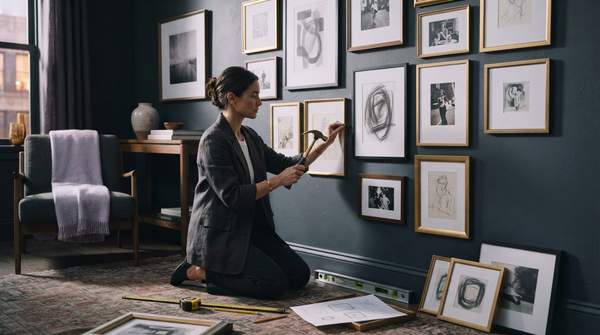
An open floor plan, abundant light, and functional furniture are common features. The aesthetic avoids excess, meaning walls are often bare, save for a single piece of artwork, and surfaces remain clear. This approach is not about creating an empty or cold environment but rather a harmonious setting where a few uncomplicated details blend together. The goal is to cultivate a sense of freedom and relaxation by stripping away the non-essential.
Classic Minimalism: Clean Lines and Stark Simplicity
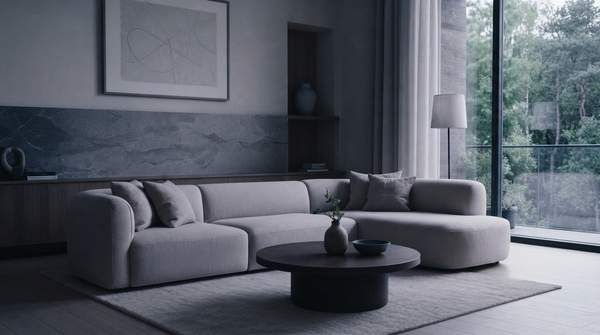
The classic interpretation of minimalism adheres strictly to a monochromatic or neutral color palette. According to the materials specialists at Marazzi, white and pale neutral shades like grey and taupe form the ideal foundation, making spaces feel larger and reflecting natural light. Black may be used sparingly for contrast in strategic details, such as door trims or matte surfaces, to add character without disrupting the overall color scheme. This choice of color helps create a unique and tasteful mood that is both airy and radiant.
Materials in classic minimalism often feature flat, smooth surfaces that contribute to a sleek, uncluttered appearance. Furniture and accessories are selected for their functionality and practicality, with an emphasis on pure, simple forms. Highly patterned furnishings are avoided in favor of pieces with strong, clean lines. This style is about celebrating the essential nature of each object, from a simple vase on a table to the unadorned structure of a bed frame, creating a refined and understated visual effect.
Warm Minimalism: Embracing Comfort and Texture
A more recent evolution of the style, warm minimalism, seeks to soften the starkness of its classic counterpart by incorporating comfort and texture. This approach prevents a room from feeling empty by layering organic materials and introducing a more inviting color palette. The Interior Design Institute suggests moving beyond stark whites to embrace warm cream, sand, stone, and soft terracotta. These restrained, earthy colors create a sense of cohesion and warmth.
In this style, interest is generated through natural grain, texture, and shadow rather than added clutter. The intentional selection of a small palette of natural materials like wood, linen, and stone, repeated throughout the space, builds a serene and functional atmosphere. Furniture often features simple silhouettes that sit low to the ground, keeping sightlines open while prioritizing comfort. This approach allows for a minimalist space that feels livable and welcoming, proving that simplicity does not have to be cold.
Minimalist Design Style Comparison
Choosing the right minimalist path depends on personal preference for either stark, architectural purity or a softer, more textured serenity. This framework compares the core elements of classic and warm minimalism to help guide your design decisions, ensuring a coherent and intentional result.
| Design Element | Classic Minimalism | Warm Minimalism |
|---|---|---|
| Aesthetic Goal | To strip a space to its fundamental elements, emphasizing clean lines, functionality, and the elimination of unnecessary adornments. | To create a serene and functional space that also incorporates comfort and texture, preventing a room from feeling cold or empty. |
| Color Palette | Primarily neutral tones such as white, grey, and beige. Black is used sparingly as a strategic contrast for a refined, understated effect. | Warmer neutrals and earthy tones, including cream, sand, stone, and soft terracotta, to create a more inviting atmosphere. |
| Key Materials | Flat, smooth surfaces and industrial materials like concrete, glass, and metal to achieve a sleek, uncluttered appearance. | Organic and natural materials such as wood, linen, and stone, allowing natural grain and texture to create interest without clutter. |
| Furniture Style | Focuses on functionality and practicality with strong, clean lines. Pieces are free from ornate patterns or excessive ornamentation. | Prioritizes comfort and organic shapes, often featuring simple silhouettes made from natural materials that contribute to a livable environment. |
Actionable Strategy: Selecting Functional Furniture
In any minimalist interior, furniture must be both functional and beautiful in its simplicity. The guiding principle is to select pieces that serve a purpose without adding visual noise. For a classic minimalist space, this means choosing items with strong, clean lines and smooth surfaces. Think of a simple platform bed with no headboard, wall-mounted nightstands to keep the floor clear, or a sleek sofa with an uncomplicated form. The focus is on the purity of the shape itself.
For a warm minimalist approach, furniture selection still prioritizes function but also invites comfort and natural forms. According to The Interior Design Institute, pieces with simple silhouettes that sit close to the floor help maintain open sightlines. A low-profile linen sofa, a solid wood coffee table with a visible grain, or chairs with soft, curved lines can add warmth and texture while adhering to minimalist principles. In both styles, multi-functional furniture can be an asset, providing utility without occupying unnecessary space.
Actionable Strategy: Purposeful Decluttering
Decluttering is perhaps the most critical action in creating a minimalist home. However, the goal is not simply to empty a space but to fill it with intention. In a 2023 article for Architectural Digest, designer Eneia White's business partner, James Bascom, recommends focusing on keeping items that you truly love and that move you. The process becomes about curating your environment rather than just discarding possessions. He suggests asking, "What can I get rid of that I don’t need?" to identify and remove the excess.
This method ensures that the resulting space reflects your identity and values. Bascom advises homeowners to "look for things that you really love," which ensures the home remains personal and inspiring. By weeding out everything that doesn't serve a purpose or bring you joy, you naturally arrive at a state of minimalism that is authentic to you. This intentional approach is what transforms a simple room into a serene and meaningful sanctuary.
Embracing Your Personalized Minimalist Journey
Ultimately, minimalist design is a personal endeavor. Whether you are drawn to the stark elegance of classic minimalism or the textured comfort of its warmer counterpart, the principles remain the same: intentionality, functionality, and simplicity. The decision between these styles provides a foundational choice that will guide your selection of materials, colors, and furniture, ensuring a cohesive and calming environment.
The true measure of success is not in achieving a specific look but in creating a home that feels functional, visually coherent, and free of unnecessary distractions. As you select furniture that serves a purpose and declutter your space to retain only what is meaningful, you will cultivate an environment that is both beautiful and deeply personal. The result is a home that serves as a calm refuge, perfectly tailored to your life.