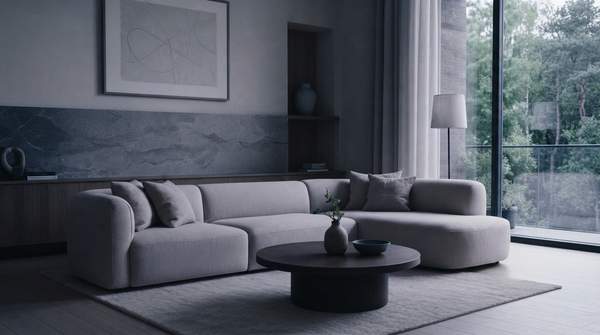
A 2024 systematic review published by the Global Wellness Institute revealed that hospitals incorporating biophilic design principles saw reduced patient mortality, shorter hospitalization times, and faster recovery. This comprehensive analysis also noted a decrease in pain levels and stress for healthcare providers, alongside alleviation of anxiety for patients. The integration of natural elements into medical environments appears to transform spaces from sterile to supportive, directly influencing patient outcomes and staff well-being.
Urban living is increasingly prevalent and often detrimental to health, but integrating natural elements through biophilic design offers a powerful, evidence-based antidote. Environments devoid of natural connection contribute to poorer health and reduced well-being, challenging the notion that urban development must sacrifice human connection to nature.
Prioritizing biophilic design in new constructions and renovations appears to be a crucial investment for public health, economic efficiency, and environmental sustainability. This approach transcends mere aesthetics, addressing measurable public health declines and economic losses with principles for harmonious living.
The Healing Power of Natural Environments
The systematic review from the Global Wellness Institute, published in 2024 and detailing reduced patient mortality and faster recovery in biophilic hospitals, fundamentally shifts our understanding. These findings elevate biophilic design from a mere aesthetic preference to a critical medical intervention, directly impacting clinical outcomes.
Integrating nature into healthcare settings directly impacts physiological and psychological states, proving its efficacy. Such integration profoundly affects human well-being and recovery. It extends benefits to healthcare providers, reducing their pain and stress, thus enhancing the entire hospital ecosystem.
What is Biophilic Design?
Biophilic design reconnects people with nature. It integrates elements like plants, natural light, water, and organic materials into living and working spaces. This approach acknowledges humanity's innate attraction to nature—biophilia—translating this deep-seated connection into tangible design.
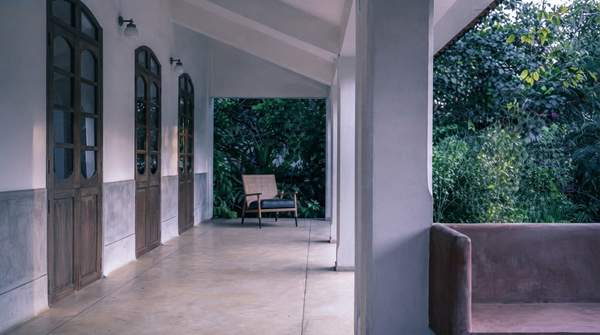
At its heart, biophilic design deliberately counteracts the modern disconnect from nature. It weaves nature's essence into our daily surroundings, moving beyond mere potted plants. This involves thoughtful consideration of views, patterns, and sensory experiences that mimic natural environments. The true implication is a profound shift: urban structures become sanctuaries, not just shelters, fostering intrinsic calm and well-being.
Beyond Aesthetics: The Psychological Imperative
Exposure to biophilic design positively affects self-reported psychological states, including inspiration, according to PMC. Conversely, designs lacking biophilic quality adversely affect these states. This dual effect confirms a direct, measurable link between natural integration and mental well-being, underscoring its critical role.
Biophilic design is not merely decorative; it is fundamental for fostering positive mental states. It addresses deeper psychological needs within built environments. Creating spaces that echo natural forms and processes alleviates stress and promotes profound peace. This suggests that ignoring biophilic principles is not just a design oversight, but a missed opportunity to cultivate mental resilience in everyday spaces.
The Business Case for Biophilia: Productivity and Performance
A study from 2014 indicated biophilic design in office buildings positively affects productivity, stress, well-being, collaboration, and workplace satisfaction, according to the Global Wellness Institute. These are tangible benefits for businesses. Environments rich in natural light and plant life demonstrably foster a more engaged workforce.
Investing in biophilic design yields tangible returns for businesses through enhanced employee performance and satisfaction. Companies and municipalities neglecting biophilic integration are not merely missing an aesthetic opportunity. They actively contribute to measurable public health declines and sacrifice significant economic gains in productivity and healthcare savings. The implication is clear: biophilia is not an expense, but a strategic asset for corporate and civic prosperity.
Addressing the Urban Disconnect
Urban living, according to PMC, is associated with poorer physical and mental health and increased stress compared to green spaces. This presents a critical challenge for modern urban development. The absence of natural elements in dense city environments measurably declines human well-being, demanding a strategic response.
As urbanization intensifies, biophilic design emerges as a vital strategy to mitigate city life's negative health impacts. The pervasive health issues of urban living are not inherent to cities; they are largely reversible through intentional biophilic integration. This transforms detrimental environments into therapeutic ones, offering a potent antidote to urban stressors.
Biophilia's Broader Impact on Health and Environment
What are the benefits of biophilic design for community health?
Biophilic design fosters healthier communities, extending beyond individual well-being. It links daily lives with biodiversity, crucial for improving overall health and quality of life, according to Green Plants for Green Buildings. This approach cultivates a deeper connection to nature within urban settings, promoting collective mental and physical resilience.
How can biophilic design contribute to urban environmental resilience?
Integrating biophilic principles into urban planning significantly enhances environmental resilience. It supports local biodiversity and improves air and water quality through green infrastructure and natural filtration systems. This aids cities in adapting to climate change, creating more livable, sustainable environments for residents. The long-term implication is a symbiotic urban ecosystem, not just a collection of buildings.
What are some practical elements to incorporate biophilic design at home?
To incorporate biophilic design at home, maximize natural light with thoughtful window placement and reflective surfaces. Introduce indoor plants suited to your climate. Use natural materials—wood, stone, wool—for furnishings and finishes. Even a small indoor fountain can enhance calm and connection to nature, transforming personal spaces into restorative havens.
A Holistic Solution for a Healthier Future
Improving natural capital in the urban built environment addresses the climate and disease crisis, enhancing physical and mental health, according to Green Plants for Green Buildings. Biophilic integration offers multi-faceted benefits. It positions natural design as a key component in global efforts towards sustainability and public health, moving beyond mere mitigation to active regeneration.
As cities grapple with evolving health and environmental challenges, the widespread adoption of biophilic principles appears inevitable. This shift will likely redefine urban living, fostering environments where human flourishing and ecological balance are not just ideals, but integrated realities.
By 2026, urban planners and architectural firms like Bjarke Ingels Group (BIG) are projected to further integrate biophilic principles into large-scale developments. This integration appears crucial for mitigating the documented health costs of urban living, potentially saving cities billions in healthcare burdens and lost productivity.