Modern tailoring for women is no longer about wearing a matched suit correctly. It is about deliberately manipulating proportion and texture to build a silhouette that reads as intentional and powerful. The matched suit set with its prescribed proportions no longer dominates professional wardrobes, as contemporary styling commentary notes; wide-leg trousers with fitted tops, or slim pants with oversized blazers, now create dynamic, individualized looks. This guide breaks the shift into a working framework, then applies it to the two pieces that define the trend: the oversized blazer and wide-leg trousers.
The Evolution of Women's Tailoring: Beyond the Matched Suit
Traditional professional dress followed fixed rules: matching fabrics, predictable weaves, prescribed fits. Contemporary tailoring has loosened those rules in favor of personal expression. Fashion commentary on the new generation of women's tailors frames the change as a response to a craft that historically targeted the male figure. Kathryn Sargent's successors in bespoke womenswear describe founding houses specifically because women lacked the tailoring experience men had enjoyed for centuries.
One such founder, speaking to 10 Magazine about her house Knatchbull, described the catalyst: "During my time, I was exposed to the deeply traditional world of men's bespoke tailoring and noticed the lack of contemporary alternatives for women." Her team's approach is grounded in lived experience: "As women, my team and I understand first-hand how transformative a well-cut garment can be."
The practical consequence for the everyday wardrobe is that fit and styling decisions now serve the individual rather than a house style. A garment is judged by how its volume, length, and fabric interact with the wearer's frame and lifestyle—not by whether it conforms to a single template. That is the logic underlying every styling choice that follows.
Core Principles of Modern Women's Tailoring
Two principles do the structural work in modern tailoring: proportion and texture. Silhouette is the result they produce together—the overall shape an outfit creates—rather than a separate third rule. Understanding the two levers, and the shape they build, is what separates a considered modern look from a boxy or accidental one.
Proportion is the relative size and balance of garment elements and how they relate to the body. Where traditional tailoring fixed those relationships, modern styling deliberately contrasts lengths and volumes: volume on top with slimness below, or the reverse. Texture is the tactile and visual quality of a fabric—how it reflects light and how it drapes. Traditional workwear insisted on matching fabrics, typically wool or cotton in predictable weaves; today's approach treats textural contrast as a sophisticated choice rather than a mistake, such as structured wool trousers with a silk blouse or linen blazer.
The framework below contrasts the traditional and modern approaches to each principle and shows a concrete styling application, so you can analyze any outfit—or build one—by asking which lever is doing the work.
Modern Tailoring Principles: A Comparative Framework
Use this table to diagnose a look: identify which principle each choice manipulates, and whether the result is the balanced, intentional silhouette that defines contemporary tailoring.
| Core Principle | Traditional Approach | Modern Interpretation | Styling Example |
|---|---|---|---|
| Proportion | Prescribed, matched suit sets with fixed proportions | Contrasting lengths and volumes to create dynamic, individualized silhouettes | Wide-leg trousers with a fitted top; slim-cut pants with an oversized blazer |
| Texture | Matching fabrics—typically wool or cotton in predictable weaves | Mixing unexpected textures for depth and visual interest | Structured wool trousers with a silk blouse; a velvet blazer with crisp cotton trousers |
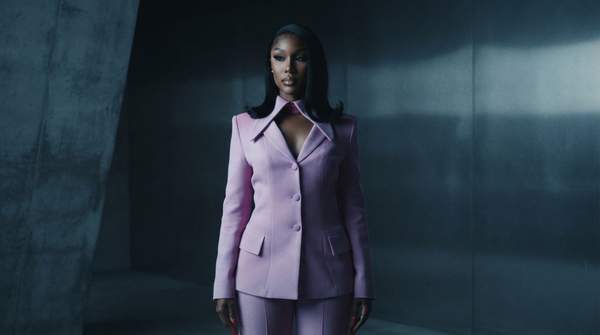
| Silhouette (the result) | Structured, uniform fit dictated by the suit template | Relaxed and fluid forms, shaped by balancing proportion and drape | A hip-length, tailored blazer over wide-leg trousers—volume balanced, waist defined |
The third row is deliberately framed as an outcome: the evidence from contemporary styling commentary discusses "dynamic silhouettes" only in conjunction with proportion plays and fabric drape, so treat silhouette as what you are engineering, not a rule you follow separately.
Styling the Oversized Blazer: A Masterclass in Proportion
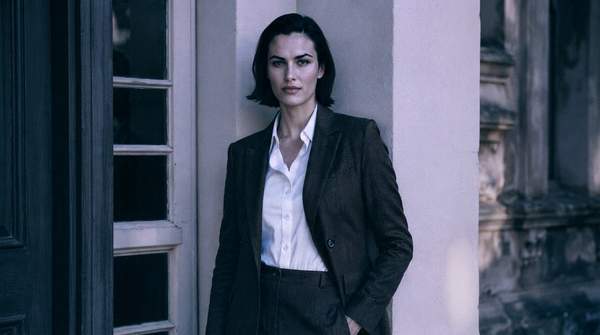
The oversized blazer works only when its volume is answered elsewhere in the outfit. The classic modern pairing is slim-cut trousers or a fitted bottom, which lets the blazer's volume read as deliberate rather than sloppy. When the leg is fuller instead, the balance flips: style writer Alison Gary, whose guide addresses styling wide-leg pants for women over 40, advises that the key to wearing a blazer with wide-leg pants "is to balance the volume," favoring a shorter (waist-to-hip length) or more tailored jacket, with belted styles a strong choice.
Even relaxed pieces benefit from precise details. Tailoring guidance from Cedar & Lily Clothier notes that narrowing billowy sleeves creates "a sharp, current look," and that sleeve length ending at the wrist bone—letting a hint of shirt cuff show—is "a hallmark of a high-end look." Taking in side seams can also define a waist and remove a boxy impression, making an oversized cut look custom rather than borrowed.
In other words: buy the volume you want, then keep one tailored checkpoint—shoulder, sleeve, or waist—so the eye reads intention. That is the proportion principle applied in a single purchase decision.
Wide-Leg Trousers: Embracing Fluidity and Texture
Wide-leg trousers are the modern tailoring piece where texture and drape matter most. Fabric choice determines whether the leg flows or stands stiff: Gary recommends suiting fabrics with great drape—crepe, gabardine, tropical-weight wool, silk blends—for a professional and comfortable silhouette. She also notes that the heavier or stiffer the pant fabric, the chunkier the shoe can be, while a classic penny loafer works with nearly every wide-leg textile.
On top, texture mixing does the styling. The drape of a silk or crepe blouse against the drape of the trouser "creates movement rather than bulk," Gary writes—tucked or untucked, with rolled sleeves, as the wearer prefers. Higher waistbands, she adds, emphasize the lower belly less, and cropped trousers that once read as casual now anchor sophisticated outfits when paired with structured footwear and tailored tops.
Length is the final calibration. Tailoring guidance from Ameliora gives the general rule: let the hem graze the top of the shoe for a clean line that elongates the leg, and avoid bunching at the ankle. Heel wearers can go slightly longer to account for the added height. High-waisted styles, contemporary commentary adds, elongate the silhouette in ways traditional mid-rise cuts could not.
Bringing It All Together: Creating Versatile Tailored Looks
Once the framework is internal, the same two pieces cover a wide range of occasions. An oversized blazer over slim trousers with a fine-knit top reads as modern professional; swap in wide-leg trousers in a draping crepe with a silk blouse and the same blazer—hip-length, lightly tailored—shifts the look toward fluid elegance. Cropped trousers with structured footwear and a tailored top anchor a sophisticated warm-weather outfit, per contemporary styling commentary, while texture swaps (velvet against crisp cotton, linen against wool) refresh the look without new silhouettes.
The boundaries of this framework are worth naming. It covers design principles and styling, not the physical craft of sewing or altering garments—though a tailor can execute the adjustments described above. It is a lens for understanding current trends, not a catalog of every garment or brand. And its advice rests on general principles of proportion and drape rather than prescriptions for any single body type; the balancing rules are adjustable, not universal.
Empowering Your Wardrobe: Applying Modern Tailoring Principles
Readers should confidently select and style modern tailored pieces like oversized blazers and wide-leg trousers by consciously applying the principles of proportion, texture, and silhouette. In practice: choose one volume statement per outfit and balance it elsewhere; mix at least two fabric textures with different drapes; and keep one precisely fitted detail—sleeve length, waist definition, or hem grazing the shoe—so the overall silhouette reads as intentional.
The measurable indicator of success is whether you can identify and articulate the modern interpretation of proportion, texture, and silhouette in any outfit you see, and then experiment with those elements in your own styling choices. When you can look at a blazer-and-trouser pairing and name which principle is doing the work—volume balanced here, drape contrasted there—you have the framework, and the wardrobe, under control.
Sources
- Modern Women's Tailoring: Breaking The Rules Of Traditional Workwear — FREY.
- Meet The Woman Tailors Changing The Shape Of Suiting — 10 Magazine
- How to Style Wide Leg Pants as a Grown-ass Woman (2026 Guide) — Wardrobe Oxygen | Real-Life Style Advice for Women Over 40
- A Guide to Tailoring for Women for the Perfect Fit — Cedar & Lily Clothier
- 13 Modern Tailoring Tips Every Professional Woman Should Know — Ameliora