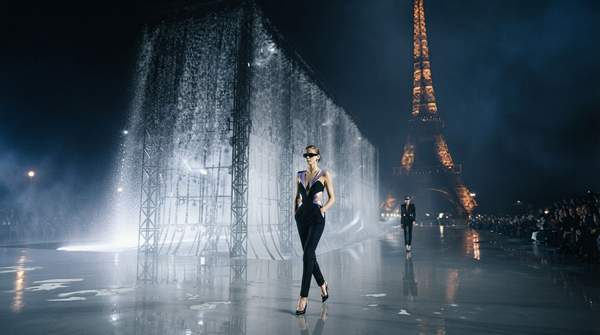
Fashion Week didn't abandon exclusivity overnight—it evolved through distinct eras, each driven by a practical pressure: first couturiers needing buyers, then ready-to-wear needing bigger audiences, then livestreams needing viewers, and finally a pandemic needing screens instead of seats. Today's hybrid shows, blending physical catwalks with digital broadcasts, are the visible result of more than a century of adaptation. Having traced the milestones, I can tell you exactly how we got here—and what it means for designers and shoppers alike.
From Exclusive Salons to Global Stages: Fashion Week's Origins
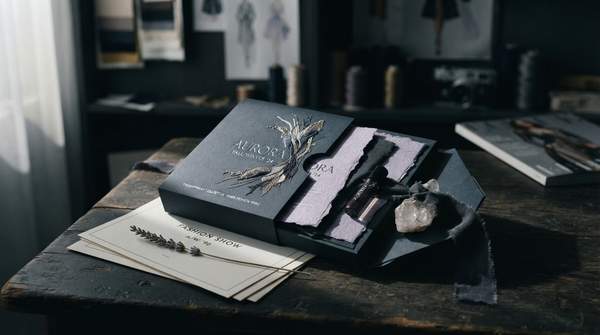
Fashion Week began, quietly and privately, in early twentieth-century Europe. As chronicled by MEAN BLVD's editorial history of the events, Fashion Week as we know it began in the early 1900s. The earliest format was even more intimate: Perino's industry account describes "humble beginnings in European hotels and ateliers, where designers hosted exclusive viewings for the fashion elite."
These were not public spectacles but working appointments. Perino's account notes the shows "evolved to be exclusive events with restricted guest lists that included buyers, potential customers and influential journalists," with models developing signature walks for audiences craning to see the latest fashions. The gate existed by design: access was the product.
The Ready-to-Wear Revolution and Expanding Audiences
The first structural shift came in the 1960s, when the format changed due to the emergence of ready-to-wear collections, as Perino's history records. Haute couture was made for a single client's measurements; ready-to-wear was made for thousands. That commercial logic demanded a different show—larger venues, more press, and a growing public appetite for trends beyond the salon.
Crucially, though, this expansion was still physical and largely invitation-only. More people could eventually buy the clothes, but watching the reveal remained a privilege of buyers, journalists, and a small circle of clients. The audience widened; the door did not yet open.
Early Digital Forays: Paving the Way for Accessibility (Pre-2020)
The digital turn started long before anyone had heard of Zoom. Flanelle Magazine's history of livestreaming credits Helmut Lang with pioneering runway broadcasting in 1998, with Alexander McQueen following in 2010. But the decisive moment came at London Fashion Week in February 2010, when the British Fashion Council, working with streaming company Streaming Tank, launched the first comprehensive digital schedule, making shows accessible to viewers worldwide.
Burberry seized the opening almost immediately, broadcasting a 3D show that demonstrated how technology could enhance the fashion experience. Flanelle characterizes this as the industry's "exclusivity paradox": livestreaming democratized access, yet some houses resisted it precisely because scarcity had been their marketing engine. Meanwhile, shoppable video arrived too—Fashion Week Online traces the earliest notable example to a clickable Diane von Furstenberg video for her Spring 2014 "Oasis" collection in September 2013, an early seed of "see now, buy now" commerce. Perino's account captures the new dual audience designers were learning to serve: buyers and journalists in the front row, plus "the fashion forward that scroll through new collections online."
Fashion Week's Transformative Journey: A Timeline
The clearest way to see the transformation is to periodize it—each era has its own driver, technology, and consequence:
| Era | Characteristics | Driver | Impact |
|---|---|---|---|
| Early 20th century | Private salon shows in European hotels and ateliers | Couturiers showing collections to buyers, clients and press | Industry-only gatherings; access itself was the currency |
| 1960s–1970s | Larger, more public presentations | Rise of ready-to-wear collections | Wider consumer base for the clothes, but shows stayed invite-only and physical |
| Pre-2020 digital shift | Livestreamed and shared shows; shoppable video | Runway broadcasting from 1998 (Helmut Lang); LFW's first full digital schedule in February 2010; DVF's clickable video in 2013 | Global audiences could watch; some houses resisted, guarding exclusivity |
| 2020 pandemic acceleration | Fully digital and virtual showcases | COVID-19 restrictions on physical gatherings | Rapid, forced adoption of digital presentation across the industry |
| Post-2020 hybrid model | Physical catwalks plus digital presentations | Established 2020, maintained by organizers like the British Fashion Council | Exclusivity of live shows balanced with worldwide digital access |
| Current and emerging | Digital fashion, "phygital" concepts | Cultural demands for sustainability, inclusivity, authenticity | Non-physical couture and new forms of ownership and expression |
Notice the pattern: technology created the possibility of openness at least twenty years before the industry fully embraced it. The pandemic didn't start the digital shift—it compressed two decades of reluctant experimentation into a single season.
The Pandemic's Digital Acceleration: A Forced Transformation in 2020
In 2020, fashion weeks "explored new ways of showcasing in light of the covid pandemic restricting events," as Nicola Hitchens writes for the Graduate Fashion Foundation, and "since then, they have evolved into a hybrid event." What had been optional infrastructure—cameras, streaming platforms, digital lookbooks—became the only show in town. MEAN BLVD's history records the same abrupt pivot: with physical shows and gatherings restricted, the industry turned to digital solutions, while sustainability became a central theme as fashion faced growing environmental scrutiny.
The Hybrid Era: Blending Physical and Digital for a Global Audience
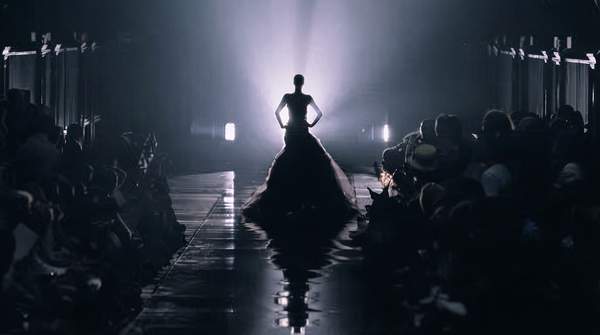
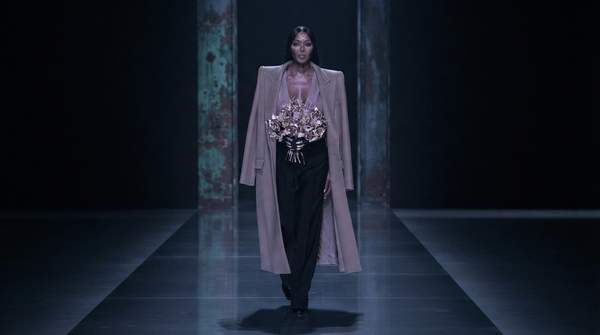
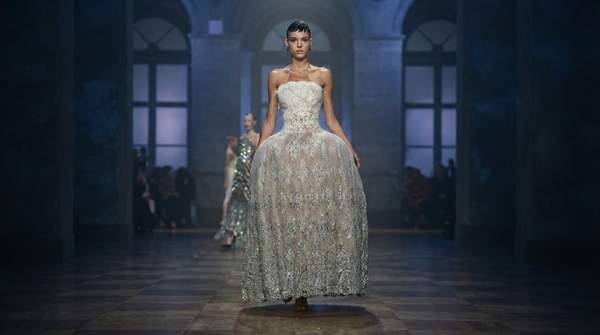
The hybrid format outlived the lockdowns that created it. London Fashion Week's February 2025 season, running from the 20th to the 24th, continued the hybrid format established in 2020, blending traditional catwalk shows with digital presentations—a schedule the British Fashion Council framed as a commitment to inclusivity and accessibility. Hitchens credits that approach with expanding the event's accessibility and underscoring the industry's adaptive strategies. The old either/or—exclusive or open—was replaced by both/and: the front row still exists, but so does the stream.
Impact on Stakeholders: Accessibility, Sustainability, and Inclusivity
For consumers, the change is straightforward: shows that were once trade secrets are now watchable worldwide the moment they happen. For designers, the obligations are heavier. Writing for the World Economic Forum, Kadine James and Joseph Fowler argue the revolution "isn't just about technological advancement, it's a response to broader cultural demands for inclusivity, sustainability and authenticity"—with digital fashion offering a sustainable alternative by eliminating raw materials, shipping, and overconsumption, major contributors to the environmental crisis.
The same piece points to digital fashion houses like The Fabricant establishing non-physical couture, and to virtual garments that "can evolve in real time, morphing with the user, inviting interaction and encouraging co-creation." The big four capitals—New York, London, Milan, and Paris—remain the primary stage for this shift, and London's hybrid seasons show how the format is settling: physical spectacle for the industry, digital reach for everyone else.
Navigating the Future of Fashion Week
The direction of travel is clear: Fashion Week will continue to evolve as a hybrid event, balancing exclusivity with global accessibility and responding to cultural demands for sustainability and inclusivity. For designers, that means the stream is no longer optional infrastructure but core marketing; for consumers, it means front-row access without a plane ticket.
The measure to watch is concrete and already visible: continued integration of digital platforms alongside physical events—exactly what London Fashion Week maintained through its February 2025 season—paired with explicit sustainability and inclusivity messaging from designers and organizers. As the World Economic Forum authors put it, "the stage is set for a more inclusive, sustainable and participatory fashion ecosystem." The next season's schedule will show whether the capitals keep that promise.
Sources
- The Evolution of Fashion Weeks: How They've Changed Over the Decades — MEAN BLVD
- The evolution, spectacle and future of the fashion show - Perino Yarns
- Why Aren't All Fashion Shows Livestreamed? The Industry's Exclusivity Paradox – Flanelle Magazine — Flanellemag
- The History of “See Now, Buy Now” (and Live Streaming Shows) — Fashionweekonline
- The Digital Evolution of London Fashion Week: How Technology is Transforming the Catwalk — Graduate Fashion Foundation
- Digital fashion: Where tech, culture and creativity collide — World Economic Forum