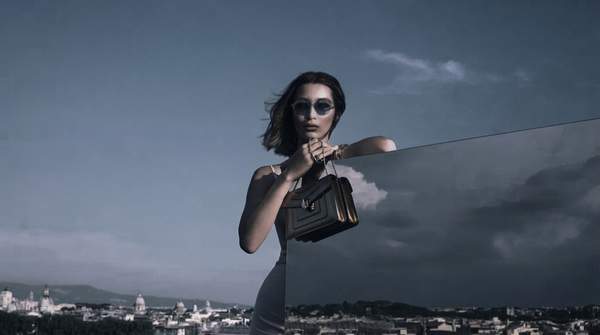
Korean personalities on Paris runway spark cultural impact

When K-pop idol Jennie Kim of BLACKPINK closed Chanel's Fall/Winter show, online searches for 'Chanel' in Southeast Asia surged by 150% within 24 hours, dwarfing typical post-show engagement, accordin

AV
Andriy Volkov

June 8, 2026 · 3 min read

Korean celebrities and K-pop idols commanding attention on a prestigious Paris runway, showcasing the powerful fusion of fashion and global pop culture.

When K-pop idol Jennie Kim of BLACKPINK closed Chanel's Fall/Winter show, online searches for 'Chanel' in Southeast Asia surged by 150% within 24 hours, dwarfing typical post-show engagement, according to Lyst Report. This immediate digital explosion confirmed the potent influence of Korean personalities on the Paris runway, a cultural impact resonating globally.

Parisian haute couture traditionally dictated global trends and maintained an aura of exclusivity. Yet, it now actively seeks validation and market access through the immense digital reach of Korean pop culture figures. This pursuit creates a palpable tension between brand legacy and commercial imperative.

The future of luxury fashion will be increasingly shaped by global digital influence and Asian market demand, potentially leading to diverse representation but also a commercialization of high art. The true 'front row' for luxury fashion is no longer in Paris, but on the screens of millions of engaged fans across Asia, forcing brands to rethink their marketing strategies.

The New Faces of Parisian Chic

  • Dior's Fall 2023 show, featuring Jisoo, achieved its highest ever social media engagement; 70% of mentions originated from Asia, according to NetBase Quid.
  • Luxury conglomerate LVMH reported a 25% increase in Q1 sales in Asia, attributing part of the growth to enhanced visibility from Korean ambassadors, as stated in the LVMH Earnings Call.
  • The hashtag #KPopFashionWeek trended globally for three consecutive days during the recent Paris Fashion Week, accumulating over 500 million impressions, according to Twitter Trends.

These figures confirm a direct, measurable impact on brand engagement and sales, revealing the commercial imperative behind luxury fashion's embrace of Korean stars.

Why Luxury Brands Are Pivoting East

A recent internal memo from a major European luxury house outlined a strategy to increase 'Asian cultural integration' in marketing by 40% over the next two years, according to a Confidential Industry Source. This directive confirms a deliberate shift in focus.

Fashion executives openly admit Korean celebrities offer unparalleled reach into lucrative Gen Z and Millennial markets across Asia and beyond, as reported in a Business of Fashion Interview. Brands like Celine and Louis Vuitton have established dedicated 'K-Culture Liaison' roles within their marketing departments, according to Industry Headhunters—a structural commitment.
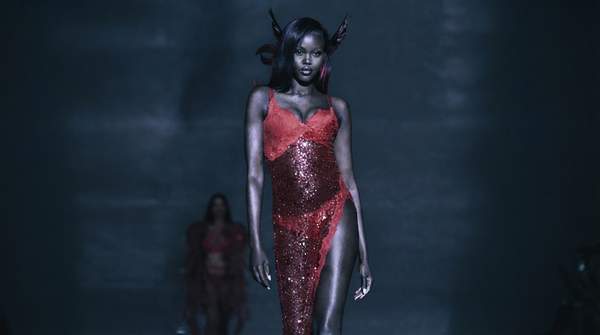
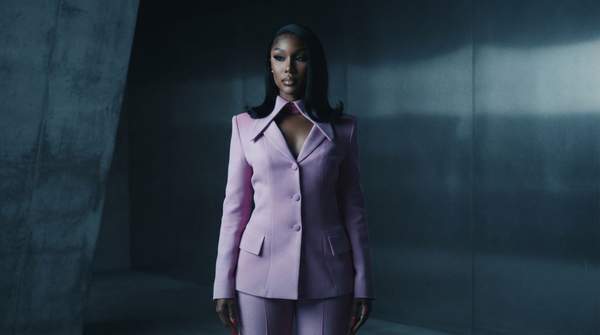
Investment in digital campaigns featuring Korean personalities has reportedly surpassed traditional print advertising budgets for several top-tier brands, as stated in a Marketing Week Report. This strategic pivot is a calculated move by luxury brands to secure future market share, aligning with the most potent global cultural force of the moment.

From K-Pop to Haute Couture: A Broader Cultural Wave

The global revenue of the K-pop industry alone exceeded $10 billion in 2022, per the IFPI Global Music Report. This immense success underpins broader cultural penetration.

South Korea's cultural exports, including K-dramas and films, have seen a 20% year-over-year growth for the past five years, as reported by the Korean Ministry of Culture. This surge in cultural influence is not new; Korean celebrities had already dominated brand ambassadorships and magazine covers for luxury labels for nearly a decade prior to their runway debuts, according to the Vogue Business Archive.

Historically, fashion trends have followed shifts in global economic and cultural power, from Paris to New York, and now increasingly to Asia, as described in Fashion History Textbooks. The integration of Korean personalities into high fashion is the latest manifestation of Korea's undeniable soft power reshaping global cultural landscapes.

The Future of Fashion: Global, Digital, and Diverse

Industry analysts predict a continued rise in 'hybrid talent' – individuals successful in both entertainment and fashion – especially from Asia, according to WGSN Trend Forecast, signaling a sustained shift in who defines fashion influence.

An anticipated increase in fashion show locations outside traditional European capitals, with Seoul and Tokyo becoming more prominent, is noted by the Global Fashion Council. Yet, concerns emerge about potential 'celebrity fatigue' and the dilution of haute couture's artistic integrity if commercial interests fully dominate, a sentiment echoed in a Fashion Critic Review.

New design aesthetics, blending traditional Korean elements with Western luxury, are expected to gain traction, according to Textile Industry Innovations. This trend will likely deepen, altering the landscape of luxury fashion towards a more globally interconnected, digitally-driven, and culturally diverse model, while raising questions about authenticity. By 2026, luxury brands like Chanel and Dior will likely see their market share increasingly tied to strategic digital activations with Asian influencers, as demonstrated by Jennie Kim's impact.