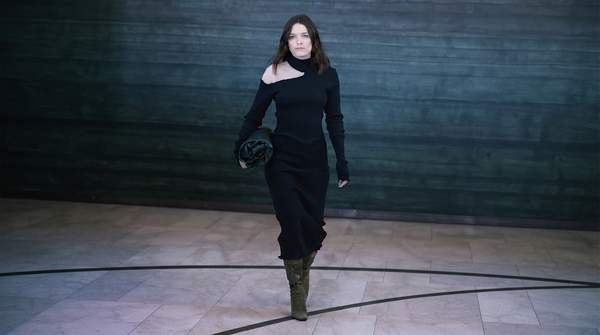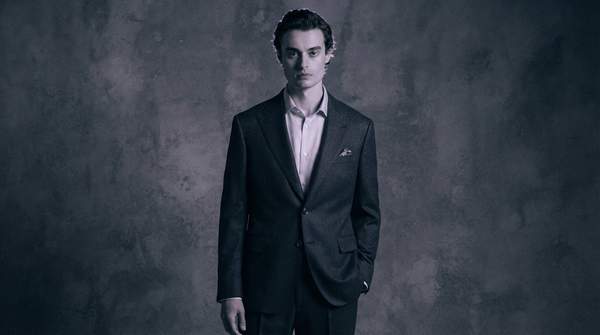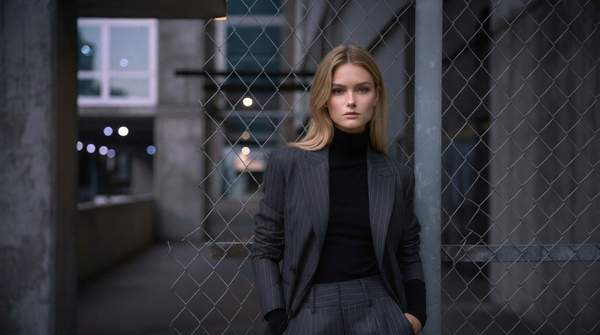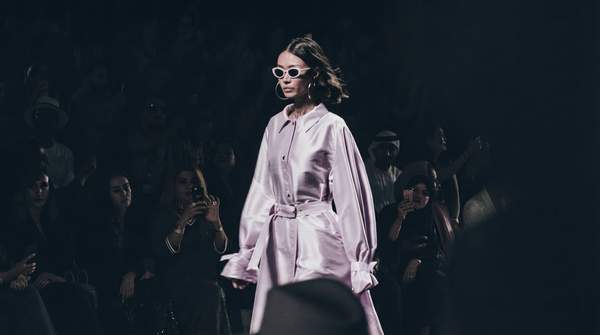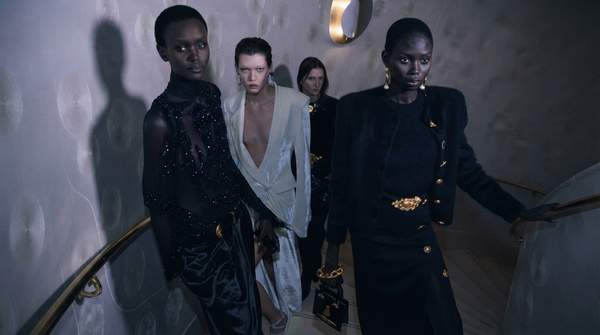
Every runway show speaks twice. The garments deliver one message; the hair, makeup, and accessories deliver another. Together, these styling choices are deliberate narrative devices, produced through a months-long collaboration between the designer, stylist, casting agent, hair stylist, and makeup artist, all working toward what designer Dion Lee described as a "harmonious message." This article gives you a reusable framework—three lenses called Reinforcement, Contrast, and World-Building—for interpreting those choices in any show you watch, so you can articulate how the styling communicates the designer's artistic vision rather than simply admiring it.
The Unspoken Language of Runway Styling
Runway styling is not decoration; it is communication. Industry commentary on show production describes it as a critical discipline that "dictates how collections are presented to an audience," encompassing everything from model selection to wardrobe coordination so that the entire presentation resonates with the brand's identity and artistic vision. In essence, the goal is "creating a cohesive narrative through visual storytelling during live fashion shows."
The intentionality behind this is well documented. A show is the culmination of what one fashion-industry report called a "months-long, highly collaborative process" among a designer, a stylist, and a full troupe of creatives. Stylists are tasked with understanding both the essence of a collection and a brand's identity, then translating dozens of clothing items into a cohesive vision. Writing on runway storytelling, The Fashion Network Blog observes that designers are artists who wish to express underlying meanings behind their collections, using performance methods to present themselves—and that runways can even double as political statements, addressing subjects from inequality to climate change.
One caveat frames everything that follows: this framework is a tool for interpretation, not a key to a designer's single "correct" intention. Styling invites reading; it rarely dictates one. The three lenses below synthesize principles of fashion communication and storytelling from these sources rather than quoting any single authority.