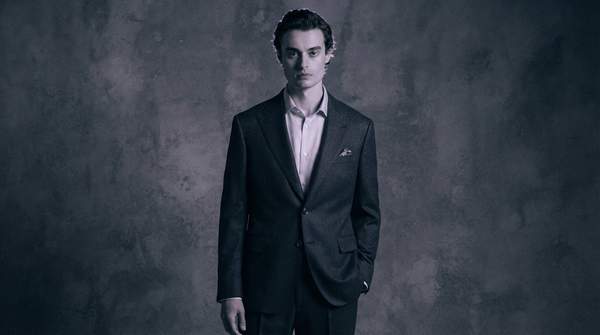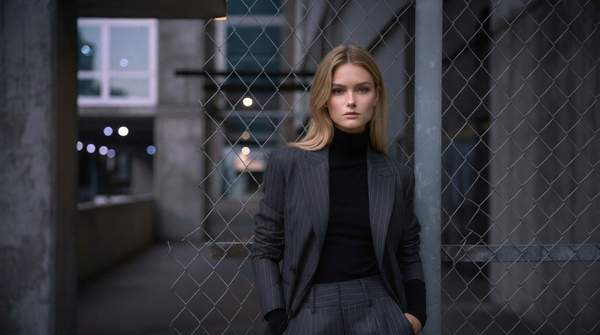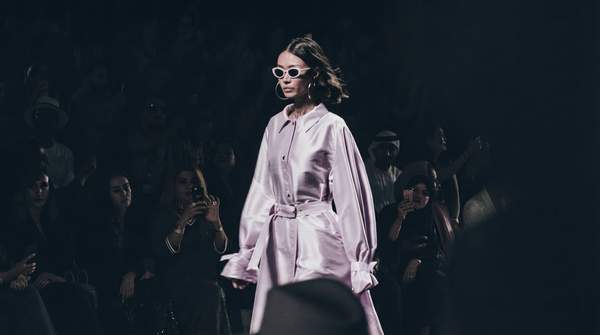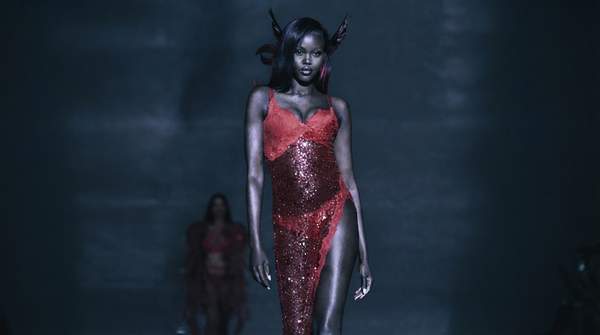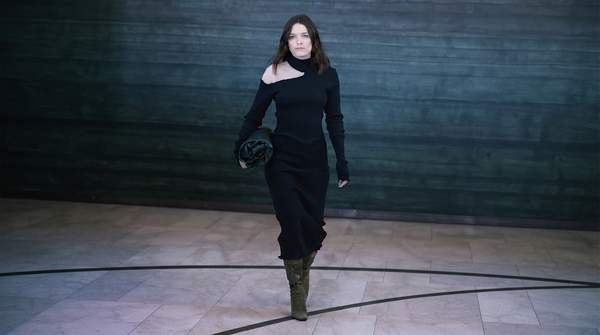
Every runway show is speaking to you twice at once. The first voice comes from the clothes themselves—color choices, recurring motifs, the details stitched into each look. The second comes from everything around the clothes: the set, the lighting, the music, the styling. To understand what a designer is actually saying, you have to listen to both channels and notice how they reinforce each other.
The Dual Language of Runway Storytelling
Runways are no longer just platforms for models—they are immersive storytelling spaces that shape how fashion is perceived, as one research paper on runway design puts it. Modern shows are elaborate productions in which lighting, stage layout, materials, and spatial arrangements communicate the designer's vision and enhance the emotional and sensory experience of the collection.
What does that mean for you as a viewer? It means a show is not a neutral display of garments. The space a designer builds around the audience is part of the message, evolving from a simple stage into part of the overall fashion narrative itself. The clothes carry meaning; the environment carries meaning; and the show works when the two agree.
One useful distinction comes from fashion education writing on storytelling: a theme is just a topic, while storytelling adds point of view, emotional intent, and continuity, so each look feels like part of a coherent world with a beginning and an evolution. That coherence is what you're looking for when you watch.
Garment-Level Elements: The Clothing's Own Story
Start with what the garments can say on their own. Fashion design writing notes that designers can employ strong visuals to elicit emotion and communicate concepts to audiences—making a point without using a single word. One of the clearest tools is what's described as color stories used as emotional scripts: the sequence and rhythm of colors across a collection can carry the emotional arc of the story.
The other major garment-level tool is the motif. Designers rely on motifs, repetition, and variation to build a sense of continuity across a collection. When you see a shape, pattern, or detail return in look after look, that recurrence is doing narrative work—it's telling you these pieces belong to the same world.
And don't expect the story to be literal. The strongest narratives are often subtle, expressed through color rhythm and recurring details that suggest a mood rather than illustrate a plot. Even a single look can carry the story, through symbols, construction details, and styling cues built into the garment itself.