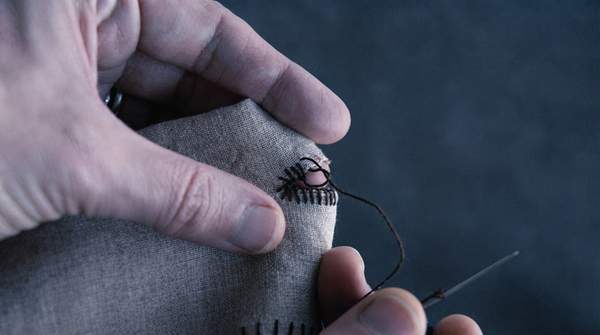
Want a more sustainable wardrobe without spending a fortune? Upcycling—transforming old clothes into something better—delivers three wins at once: it keeps garments out of landfill, saves you money, and lets you express a style that's entirely yours. And the barrier to entry is lower than you might think. A few basic supplies, most of which you probably already own, are enough to start your first project this weekend.
What is Upcycling and DIY Fashion?
Upcycling is a sustainable approach to repurposing discarded items into new products of increased value. In fashion, that means taking old clothing or materials and crafting them into unique, one-of-a-kind garments—an eco-friendly practice that reduces waste and supports a more conscious, responsible lifestyle, as an educational overview from Chitkara University describes it.
DIY fashion, meanwhile, is exactly what the name suggests: doing it yourself. It empowers people to create their own clothing, accessories, and style modifications, and it relies on basic sewing, crafting, and customization techniques to revitalize old pieces—or make new ones from scratch. Put the two together and you get a sustainable, personalized alternative to fast fashion, one that encourages a shift toward a circular economy rather than a constant cycle of buying new.
The Environmental Benefits of Upcycling
Why does this matter environmentally? Because so many old clothes end up in landfill, and a lot of modern clothing is made from plastic-based fibers that won't break down, as the beginner's guide at Upcycle My Stuff points out. Every garment you rescue from the discard pile is one less item contributing to that waste stream.
The second environmental gain is about what doesn't get made. Upcycling reduces the amount of raw materials the fashion industry needs to produce new clothing, which means less demand for new manufacturing. A creative reuse organization focused on sustainable fashion notes that thrift shopping, mending, repurposing, and swapping clothes have all seen a resurgence of interest precisely because of their notable environmental advantages—and because younger, environmentally conscious generations are looking for accessible ways to offset the ecological burden of conventional consumption.