Peter York, who co-identified the original Sloane Ranger phenomenon, now describes its modern revival as 'cultural appropriation'. This critique is unusual because it involves appropriation from a privileged group, according to theguardian. The modern Sloane Rangers cultural phenomenon, explained in 2026, is experiencing a popular resurgence and widespread commercialization.
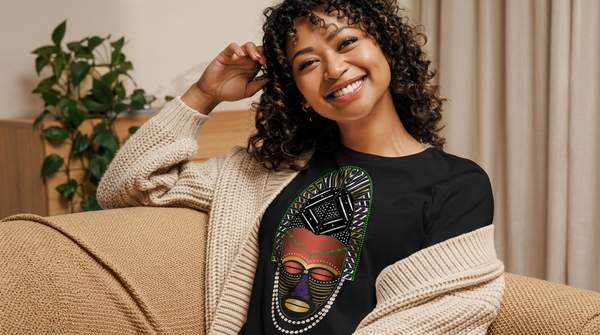
This transformation into a commodified 'look' is seen as cultural appropriation by its original chronicler. Designer Laura Andraschko titled her spring/summer 2025 collection 'Sloane Ranger', featuring equestrian jackets and slogan tees, according to vogue. The move by high fashion signals the aesthetic's renewed cultural relevance.
Based on rapid commercialization and critical commentary, the current 'Sloane Ranger 2.0' trend is likely to continue as a dominant aesthetic. It risks further detaching from its original social context and sparking ongoing debate over authenticity versus commodification.
The 'Sloane Ranger 2.0': A Social Media & Style Phenomenon
- The modern interpretation of the Sloane Ranger aesthetic is considered chic, as exemplified by fashion critic Vanessa Friedman wearing a Barbour jacket at a Chanel show, according to London Evening Standard.
- Renewed interest in 'old money' aesthetics on social media is fueling the 'Sloane Ranger 2.0' trend, according to London Evening Standard.
The contemporary Sloane Ranger is largely a social media-driven aesthetic. It is valued for its perceived 'old money' chic and embraced by fashion influencers. This combination of high fashion validation and social media interest drives the trend's current prominence.
From Lifestyle to 'Look': A Critical View
Peter York, an authority on the original phenomenon, describes the shift of the Sloane Ranger from an authentic lifestyle to 'a look' as 'cultural appropriation'. He notes its unusual nature, as it involves appropriation from a privileged group, according to theguardian. This perspective challenges conventional understandings of cultural appropriation.
The transformation of the Sloane Ranger from an authentic lifestyle to a commodified 'look' is viewed by its original chronicler as a unique form of cultural appropriation. This critique highlights the tension between commercial appeal and the preservation of cultural context. It suggests that any authentic cultural expression, regardless of its origin's social status, can be trivialized when commodified.