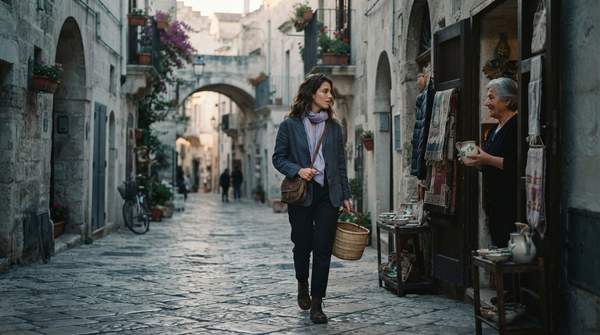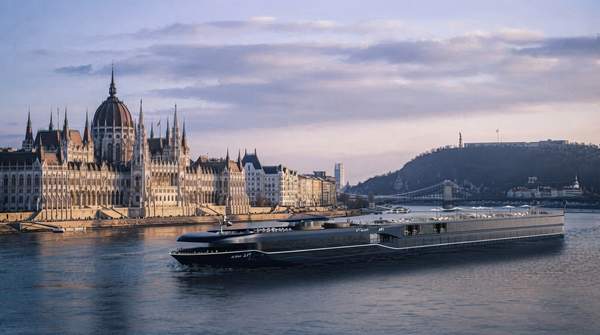
The fastest-growing corner of luxury travel no longer measures itself in marble bathrooms and turndown service. According to Culture Discovery Vacations' guide to the category, experiential tourism in the luxury sector offers "unique and immersive adventure travel experiences that go beyond traditional sightseeing," trading conventional opulence for authentic encounters that resonate on a personal level. The difference is philosophical as much as practical: a five-star suite in Bangkok, as that guide bluntly observes, feels much like the one in Barcelona, while an immersive journey is built to be impossible to replicate. Here is a framework for telling the two apart, illustrated by real examples across three distinct styles of experience.
Redefining Luxury: From Opulence to Immersion
The shift begins with a question of value. Traditional luxury concentrates on being served—amenities, polish, and predictability, wherever in the world you happen to be. Experiential luxury inverts that logic. As Culture Discovery Vacations frames it, the true luxury is rarity and meaning: experiences "so rare and meaningful that they literally couldn't happen to just anyone with a platinum credit card," achieved through relationships, local trust, and access to places other tourists don't go. Travel writer Pierre Blake reaches a similar conclusion in his survey of destinations, arguing that luxury travel today is "no longer just about indulgence—it's about immersive experiences that blend adventure, culture, and relaxation."
Accommodation plays a surprising leading role in this redefinition. Exodus Adventure Travels, describing its curated "Signature Stays," explains that immersive lodging is "chosen with intent, the day doesn't stop at dinner, it continues"—whether that means drifting down the Nile on a traditional dahabiya or falling asleep to rainforest sounds in Costa Rica. The room stops being a place to retreat from the destination and becomes part of the experience itself.
Comparing Luxury Travel Philosophies
The table below synthesizes the two philosophies across four dimensions drawn from the definitions above. It is intended as a diagnostic: read each row and ask which column better matches what you want from your next trip.
| Dimension | Traditional Luxury Travel | Luxury Experiential Travel |
|---|---|---|
| Primary Goal | Relaxation, pampering, and enjoying opulent amenities—conventional comfort and indulgence. | Authentic immersion, cultural engagement, and personal connection—unique, meaningful experiences over standard luxury. |
| Accommodation Style | Luxury hotels, resorts, and cruise ships, chosen for comfort and amenities within a conventional setting. | Unique, characterful stays deeply connected to the destination—eco-lodges, tent camps, heritage buildings, traditional vessels—chosen for their setting, character, and immersive qualities. |
| Typical Activities | Sightseeing, spa treatments, fine dining, and leisure—generally passive and focused on personal comfort. | Local interaction, cultural workshops, wildlife viewing, active exploration, and culinary experiences that aim for deeper engagement and personal growth. |
| Measure of Success | The quality of service and the standard of the amenities. | Personal growth, memorable moments, and authentic connection with the destination—the value lies in depth of experience rather than material indulgence. |
Neither column is objectively superior; the trade-off is between the guaranteed polish of a conventional five-star bubble and the unpredictability that Culture Discovery's guide identifies as the point: it "creates a bubble," the guide says of traditional luxury, while experiential travel "breaks barriers down."
Category 1: Immersive Nature and Wildlife Journeys
The nature-focused strand is where experiential luxury is most visible. Pierre Blake's destination survey highlights Kenya, where exclusive lodges deliver "the utmost comfort with breathtaking views over the sweeping plains," while private conservancies offer tailored game drives through untouched terrain with fewer crowds—plus sunrise balloon rides over migrating herds and bush dining under the stars. The luxury is access and exclusivity, not chandeliers.
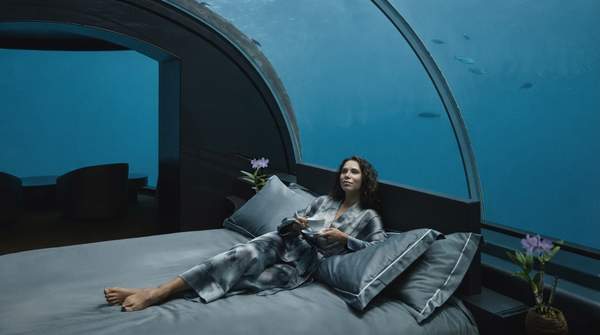
Two further examples show the range. Hilton's travel editorial describes the Maldives, where the immersive element goes underwater at Conrad Maldives Rangali Island: an opportunity to sleep beneath the sea amid the islands' surrounding azure waters, alongside seaplane transfers and secluded island beauty. On land, Exodus describes its Signature Stay at Tocu Tent Camp in Costa Rica, in the heart of Hacienda Caño Negro Natural Park—a region it calls one of the most biologically intense on the planet. Guests sleep in safari-style tents handcrafted by local artisans, waking to birdsong and falling asleep to nocturnal wildlife.
Category 2: Historical and Architectural Immersion
The second category makes history itself the accommodation. Exodus's Signature Stays include nights "inside medieval walls" in Tuscany and lodging on the edge of India's tiger country, chosen—per its selection criteria—for setting, character, and connection to the destination rather than standardized amenities. The destination list from Pierre Blake points in the same direction: Luang Prabang, Laos, a UNESCO World Heritage site where, as he describes, luxury boutique hotels sit within restored heritage buildings or tucked into jungle, blending French colonial elegance with the spiritual traditions of Laos.
The common thread is that architecture does double duty. Guests are not merely near history; they sleep inside it, and the setting itself conveys the destination's story in a way a new-build resort cannot.
Category 3: Deep Cultural and Culinary Engagement
The third category centers on participation rather than observation. Pierre Blake's survey of the Mekong Delta describes private cooking classes as a hands-on entry into Vietnamese cuisine using fresh, locally sourced ingredients, with farm-to-table dining that turns the Delta into what he calls "an engaging journey into Vietnam's cultural and culinary heritage."
Tocu Tent Camp in Costa Rica pairs the wildlife immersion of Category 1 with this cultural strand, and it also illustrates the responsible-tourism dimension the evidence explicitly supports. Travel trade publication Travel 2 Latam reports that the camp works closely with the communities of Caño Negro, promoting community-based rural tourism, culinary workshops rooted in ancestral Costa Rican recipes, and activities intended to benefit the region. A separate lodging directory notes cultural workshops with local and Indigenous artisans and exclusive trails through Hacienda Caño Negro, while emphasizing what the camp deliberately lacks: urban convenience and conventional hotel rooms. That is the experiential trade-off made concrete—distinctive tented suites and community connection in exchange for remoteness.
Is Experiential Luxury Travel Right for You?
The framework above reduces to a preference test. If your ideal trip is measured by service quality, seamless comfort, and familiar luxury wherever you land, traditional luxury remains the better fit. If you would trade predictability for nights inside medieval walls, mornings in a biodiverse jungle, or cooking alongside locals, the experiential category is built for you. Culture Discovery's guide is explicit that experiences requiring "relationships and trust, not just money" are the defining feature—something no amount of conventional pampering substitutes for.
Be aware of the boundaries before committing. These journeys favor adults and older teens at some properties, involve remoteness rather than urban convenience, and—in the descriptions collected here—define success by depth of connection, not thread count.
Choosing Your Next Luxury Journey
Decide whether your travel preferences lean towards traditional luxury's comfort and amenities or experiential luxury's immersion and authentic connection. The measurable indicator is straightforward: a clear preference for either unique, destination-integrated accommodations and active cultural engagement, or for conventional opulent settings and passive relaxation. Run your next trip idea against the table above—note which column its lodging and activities fall into—and you will know which kind of luxury traveler you actually are before you book anything.
Sources
- Unveiling the World of Luxury Experiential Travel - The Discovery Compass — Culture Discovery Vacations
- The Best Places for Unique Luxury Travel Experiences — PIERREBLAKE
- Signature Stays: 5 Ultra-Immersive Accommodations For Nights as Memorable as Days — Exodus
- Immersive Travel Experiences | Travel — HILTON
- Tocu Tent Camp: Glamping in Caño Negro Wildlife Refuge, Costa Rica — Vacationscostarica
- Travel 2 Latam — EN