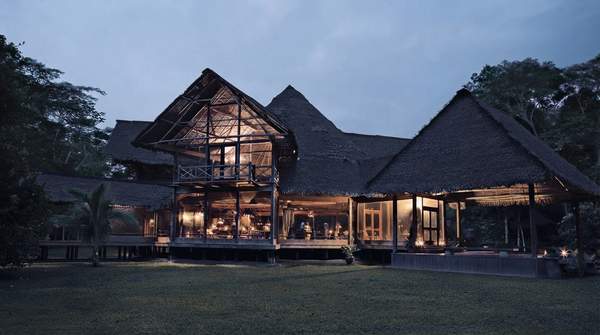
In an era where “eco-friendly” has become a pervasive marketing term, discerning travelers face the challenge of distinguishing genuine environmental stewardship from superficial greenwashing. The promise of a luxurious escape that also respects the planet and its people is alluring, but verifying these claims requires looking beyond glossy brochures and vague sustainability statements. A truly sustainable luxury property integrates its principles into every facet of its operation, from internationally recognized certifications and measurable resource management to meaningful engagement with the local community and its culture. By applying a structured approach, travelers can identify the resorts that are not just talking about sustainability, but actively and transparently practicing it.
The Sustainable Luxury Travel Decision Framework
To move past marketing claims and assess a property's genuine commitment, travelers can use a four-part framework. This approach, grounded in principles championed by global bodies like the Global Sustainable Tourism Council (GSTC), examines verifiable credentials and tangible impacts. The GSTC's rigorous criteria for hotels assess a resort on its sustainable management, socioeconomic impacts, cultural impacts, energy consumption, and conservation involvement. This framework organizes these complex factors into clear, actionable pillars for evaluation, empowering you to make an informed choice that aligns with your values.
Pillar 1: Official Certifications – The Foundation of Credibility
The most reliable starting point in any assessment is the presence of legitimate, third-party verified eco-certifications. These programs provide independent validation that a property meets specific environmental and social standards, serving as a crucial defense against "greenwashing"—a marketing tactic where businesses claim to be eco-friendly without evidence. When evaluating a resort, look for recognized international labels such as Green Key International, EarthCheck, or the prestigious LEED Platinum certification, a standard for sustainable building design that has been achieved by all luxury hotels in the ITC Hotels chain.
Beyond global standards, national and regional programs can be exceptionally rigorous. Costa Rica’s Certification of Sustainable Tourism (CST), for instance, is a government-sponsored tool respected worldwide for its comprehensive evaluation process. It scrutinizes a property’s water management, energy conservation, waste disposal, community relations, cultural authenticity, and guest safety. The key is verification; travelers should cross-check any claimed certifications on the official websites of the awarding programs to confirm their validity and level.
Pillar 2: Quantifiable Environmental Performance – Measuring True Impact
While certifications provide an essential baseline, a truly committed eco-resort can provide measurable data on its environmental performance. Specific metrics reveal the real-world impact of a property's initiatives, demonstrating a culture of accountability. Travelers should look for dedicated sustainability pages or annual reports on a hotel's website that detail concrete achievements in resource management and conservation.
For example, Cala Lodge in Costa Rica, which holds the CST certification, publishes its own annual sustainability report. In 2024, the lodge documented cutting its water consumption by 25% through rainwater harvesting and efficiency upgrades, reducing electricity use by 4%, and recovering more than five tons of solid waste via recycling and composting. Furthermore, it offset over 17 tons of CO2 that year. These figures represent a tangible commitment to minimizing its operational footprint. Beyond individual properties, look for participation in broader conservation efforts, which signal a commitment to the health of the entire regional ecosystem.
Pillar 3: Direct Community Support – Empowering Local Economies
Sustainable tourism extends far beyond environmental concerns; it is fundamentally about fostering a positive, symbiotic relationship with the host community. A key indicator of an authentic eco-lodge is its direct economic and social support for local people. This is not about charity, but about building a resilient local economy where the benefits of tourism are shared equitably. This principle is a core component of the GSTC criteria, which emphasize maximizing socioeconomic benefits for the community.
Look for evidence of this commitment in a resort’s hiring and sourcing policies. Does it prioritize local employment, providing stable careers rather than just seasonal work? Does it source its food, materials, and services from nearby producers and artisans? Cala Lodge, for instance, reports that it sources 80% of its purchasing locally, an action that directly supports more than 50 families. Similarly, El Silencio Lodge & Spa emphasizes employment opportunities and local purchases to support its closest neighbor, the Los Bajos del Toro community. This approach ensures that tourism revenue circulates within and strengthens the local economy.
Pillar 4: Authentic Cultural Integration – Respecting Heritage
The final pillar of a truly sustainable luxury resort is its deep and respectful integration of local culture. This goes beyond superficial displays or staged performances to create authentic experiences that honor and celebrate regional heritage. A sustainable lodge acts as a bridge, connecting guests with local traditions in a meaningful way that fosters mutual respect and understanding. This might involve incorporating local art and craftsmanship into the hotel’s design, offering workshops led by community members, or featuring traditional cuisine made with locally sourced, heritage ingredients.
These efforts not only enrich the guest experience but also play a vital role in preserving cultural legacies for future generations. By providing a platform and an economic incentive for the continuation of traditional practices, such resorts become active partners in cultural conservation. This focus on authenticity ensures that the travel experience is both memorable for the guest and genuinely beneficial for the community whose culture is being shared.
Case Study: El Silencio Lodge & Spa – A Model of Elite Sustainability
El Silencio Lodge & Spa in Costa Rica provides a compelling example of how these four pillars can be integrated seamlessly into a world-class luxury experience. The lodge’s commitment is immediately evident through its official credentials. It has achieved the maximum "Elite" rating in Costa Rica’s highly respected Certification of Sustainable Tourism (CST), a distinction that signifies its leadership in responsible travel and is based on a rigorous evaluation of its environmental and social practices.
The lodge’s commitment extends deeply into its community, perfectly illustrating the third and fourth pillars. It actively creates employment opportunities and prioritizes local purchasing, fostering a strong, positive relationship with the neighboring Los Bajos del Toro community. This integration is also profoundly cultural. The lodge weaves the local tradition of oxcart painting, an art form celebrated by UNESCO as an Intangible Cultural Heritage of Humanity, into its décor and guest experiences. Visitors can connect directly with Costa Rican heritage through authentic activities, such as learning to make tortillas by hand in Bajos del Toro, creating a genuine cultural exchange that transcends a typical hotel stay.
Your Next Step: Verifying Sustainable Luxury
To ensure your travel choices align with your values, it is essential to move from passive acceptance of marketing claims to active verification. Travelers should actively seek and verify specific sustainability credentials, measurable environmental performance, and concrete community integration programs when choosing a luxury eco-lodge. Before booking, take the time to investigate the property’s official website, looking for a dedicated sustainability section or a downloadable report. This level of transparency is the hallmark of a resort truly committed to a sustainable future.
A chosen eco-lodge's official website or sustainability report clearly details its third-party certifications, provides quantifiable environmental metrics (e.g., energy/water reduction, conservation results), and outlines specific local employment or community support initiatives. By using this framework to ask the right questions and seek out tangible proof, you can confidently select a destination that offers not only impeccable luxury but also a profound and positive impact on its environment and community.
Sources
- What Makes an Eco-Resort Truly Sustainable? — GSTC
- Sustainablehospitalityalliance
- How to Choose Eco-Certified Hotels: A Global Guide to Green Stays - Tripnly
- 23 Eco Hotels in Costa Rica: Sustainable Stays We Recommend — Two Weeks in Costa Rica
- Costa Rica Lodging — El Silencio Lodge New Site