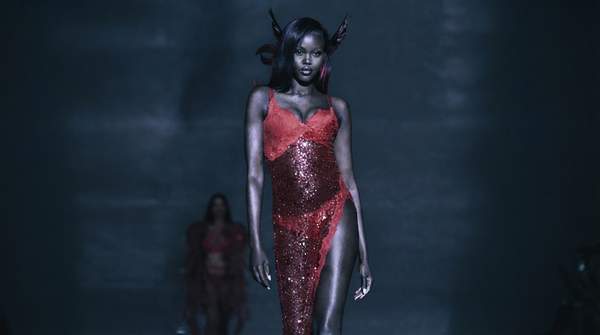
An unscripted moment at the Commas' resort 2027 show during Australian Fashion Week generated an astonishing $929,000 in media impact value over just 48 hours. This spontaneous event, captivating global audiences, reached a combined 342 million people across 86 pieces of coverage, according to WWD. Such potent, unscripted virality now dictates the very perceptions of wearable trends and styling tips emerging from the event, asserting a new, immediate form of global influence.
Australian Fashion Week boasts a 30-year legacy, yet its recent global reach increasingly hinges on spontaneous viral moments and unconventional styling, rather than the gravitas of established design houses. This divergence reveals a fundamental tension between tradition and the rapidly evolving dynamics of fashion influence.
Given the significant media impact of these viral moments and the palpable focus on accessible yet innovative styling, Australian Fashion Week appears poised to further push boundaries in presentation and trend-setting, solidifying its distinct position on the global fashion calendar.
The New Wave of Wearable Trends
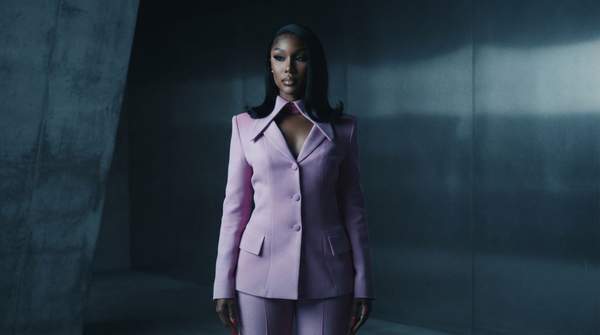
- Key trends observed at Australian Fashion Week included sheer layering, denim, fringing, shades of brown and mocha, soft pinks, micro shorts, and an emphasis on texture and sculptural silhouettes, according to WWD.
- Activewear label Nagnata introduced denim totes, styled by looping the bag over a model's head and belting it, as reported by The Guardian.
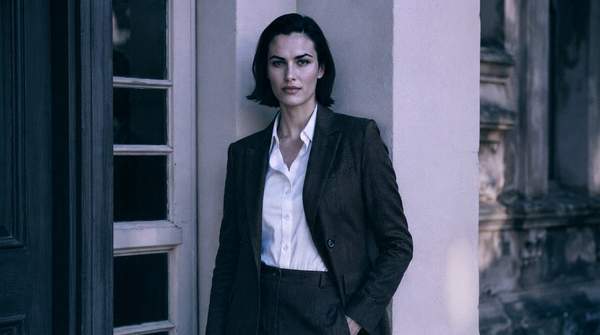
- Lee Mathews' Resort 27 collection highlighted intentionally undone elements like deconstructed tailoring and raw hemlines, noted RUSSH.
These innovative styling choices collectively redefine 'wearable,' pushing the very boundaries of presentation and compelling the industry to reconsider conventional trend adoption. AFW demonstrates that true avant-garde fashion can emerge from accessible, intentionally undone aesthetics, transcending traditional notions of exclusivity.