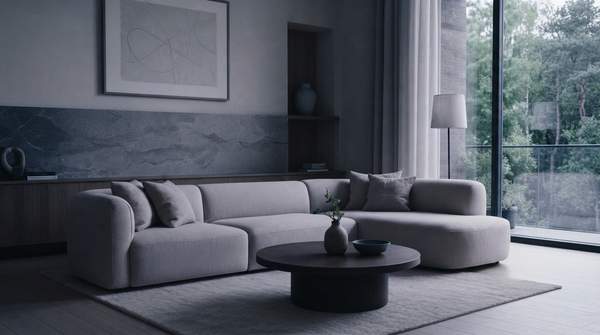
In a region where winter days offer just a few hours of sunlight, Scandinavian designers developed an aesthetic where every element—from wall color to textile—amplifies light and warmth. This meticulous approach counters the environmental challenges of long, dark winters and the pervasive need for thermal comfort. Scandinavian homes, often perceived as minimalist, are a deeply considered response to these extreme practical demands, creating functional, inviting environments.
Scandinavian design is globally celebrated for its minimalist aesthetic, but its core principles are deeply rooted in practical solutions for challenging Nordic climates. This tension reveals what appears as mere stylistic preference is, in fact, sophisticated engineering for comfort and well-being. The style's emphasis on light and warmth is not simply decorative; it is a fundamental necessity for daily life in harsh conditions.
Understanding its climatic origins is crucial for authentically applying Scandinavian design, ensuring it remains more than just a trend—it is a functional approach to living. This perspective allows homeowners to appreciate the depth behind clean lines and natural materials, fostering truly intentional, beneficial living spaces.
More Than Just Minimalism: Defining Scandinavian Design
Scandinavian design is characterized by an intentional, approachable quality, blending styles with inherent warmth. This aesthetic, celebrated for its simplicity, stems from complex, climate-driven engineering of light and warmth, making it universally relatable despite Nordic origins, according to Architectural Digest. Its intentionality is a direct response to environmental constraints; every element serves a functional purpose, maximizing comfort and well-being. This approach prioritizes human experience, creating environments both beautiful and profoundly livable—a practical maximalism disguised as simplicity. The style's perceived minimalism is, therefore, a clarity of purpose, not merely an absence of elements.
Crafting Comfort: Practical Elements of the Scandinavian Aesthetic
Achieving the Scandinavian aesthetic involves specific design choices that combat environmental deficiencies. Walls are typically light—soft off-white or cream tones—not merely decorative, but fundamental, climate-driven solutions to amplify scarce light. Textiles, such as chunky knit blankets and area rugs, are essential for retaining warmth, not just for style, as detailed by Architectural Digest. These elements show Scandinavian design's core is not about stripping away, but strategically adding components to enhance comfort. Natural light sources are accentuated through uncluttered windows and reflective surfaces, brightening interiors during long, dark periods. Companies selling 'minimalist' decor often miss this: Scandinavian design's enduring appeal is not starkness, but a deeply intentional approach to enhancing human well-being through light and warmth.
Beyond the Nordics: Global Appeal and Adaptation
The universal appeal of Scandinavian design stems from its focus on comfort, functionality, and timeless aesthetics, making its principles adaptable worldwide. While rooted in Nordic climates, the strategic use of light, natural materials, and efficient layouts transcends geographical boundaries. This adaptability allows individuals globally to create bright, cozy spaces, irrespective of local weather. Any brand attempting to emulate this aesthetic without understanding its climate-driven practicality risks superficial imitation. The strategic use of 'light walls' and 'natural light sources,' as noted by Architectural Digest, ties the style's core warmth and intentional appeal to its functional origins. Authentic incorporation requires deeper understanding than mere visual replication.
The Enduring Relevance of Intentional Living
Scandinavian design remains relevant in contemporary living due to its inherent link to well-being and sustainability. In a world focused on mindful consumption and personal sanctuaries, its emphasis on durable, purposeful elements resonates deeply, encouraging a conscious connection between home and personal comfort. The approachable quality, often attributed to simplicity, stems from complex, climate-driven engineering of light and warmth. This makes it universally relatable despite Nordic origins, fostering calm and order. The intentionality inherent in Scandinavian design offers a valuable blueprint for creating harmonious homes in an increasingly complex world.
Common Questions About Scandinavian Style
What are the key elements of Scandinavian interior design?
Key elements include functionality, clean lines, and natural materials such as light wood, wool, and leather. The design heavily utilizes white or light neutral palettes to maximize natural light and incorporates plants for freshness, according to Norse Interiors. These choices create a bright, airy, inviting atmosphere.
How to achieve a minimalist and functional home?
To achieve a minimalist, functional home, prioritize decluttering and selecting multi-purpose furniture. Focus on quality over quantity, choosing well-crafted pieces for longevity and timeless appeal. Incorporate smart storage to maintain an uncluttered aesthetic while keeping essentials accessible.
What makes Scandinavian design so popular?
Scandinavian design's popularity stems from its ability to create comfortable, practical, aesthetically pleasing spaces that promote well-being. Its focus on light, warmth, and natural elements offers a sought-after sense of calm and order in modern living. The style's adaptability also allows it to blend seamlessly with various personal preferences, making it broadly appealing.
Embracing Hygge: A Philosophy for Your Home
Based on its foundational principles of comfort and functionality, Scandinavian design will likely continue to shape intentional living spaces globally, adapting its core tenets to new environmental and personal needs.