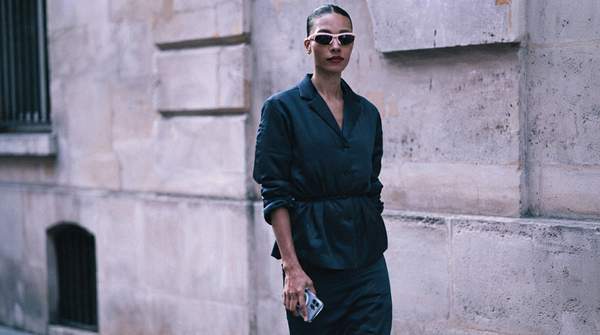
Quiet luxury is an aesthetic defined by understated design, high-quality materials, and timeless styling, deliberately avoiding conspicuous logos, flashy elements, and other overt markers of economic status. The term describes a way of dressing and furnishing in which the clothes recede and the person wearing them does not, as one fashion guide puts it. Crucially, it is not merely expensive clothing without visible branding: it is a philosophy in which true value lies in details invisible to the casual eye—fabric, stitching, and fit. This article distills that philosophy into five diagnostic principles you can apply to any garment or room.
Understanding Quiet Luxury: An Introduction to Understated Elegance
The clearest definition comes from the collaborative encyclopedia entry on the concept, which characterizes quiet luxury by muted colors, craftsmanship, and refined materials, expressing luxury through subtle sophistication rather than displays of wealth. The distinction matters: while the related idea of "stealth wealth" connotes hiding wealth, quiet luxury connotes subtly signalling it. Style writers at Old Money® frame the approach as one that prioritizes substance over form, quality over quantity, and craftsmanship over ostentation—a return to the essence of elegance in an age of flashy logos and fleeting social media trends. Interior designers observe the same shift in the home, where old ideas of showing off wealth through flashy items are being replaced by something more personal and meaningful.
The Five Diagnostic Principles of Quiet Luxury
Because quiet luxury is defined by what it avoids as much as what it embraces, the aesthetic can be operationalized into five observable characteristics. Synthesizing the definitions above, the markers are: high-quality materials, superior craftsmanship and fit, timeless design, subtle or no branding, and a neutral color palette. Each principle is independently observable—you can feel a fabric, inspect a seam, and assess whether a silhouette will still look current in five years. Together they form a diagnostic framework that works equally well for a cashmere knit and a living room, which is precisely what the checklist later in this article delivers.
Principle 1: High-Quality Materials and Superior Craftsmanship
Materials carry more weight than trends in this aesthetic, expressing luxury through subtle sophistication. The encyclopedia entry emphasizes refined materials; the comparison table published by Lumia Outfits names cashmere, linen, and silk as the signature fabrics of quiet luxury, and explicitly rules out synthetic fabrics that sit stiffly on the body and catch light in the wrong way. Craftsmanship is the second half of the equation. The Old Money® guide describes "a fabric that caresses the skin, impeccable stitching, a fit designed to enhance every silhouette" as the substance of the style. In interiors, the same logic applies: Made Minimal's design writer notes that quiet luxury differs from minimalism partly in material choices, favoring premium natural materials over accessible substitutes.