The Korean beauty philosophy, often associated with an elaborate 10-step routine, is built on a functional and scientific approach to skincare rather than a rigid set of rules. At its core, K-beauty emphasizes a multi-step layering process designed to gently improve skin for lasting results. This method focuses on thoroughly preparing the skin, delivering targeted treatments, and then sealing in moisture and active ingredients. This regimen is complemented by the use of innovative and traditional ingredients, many of which are supported by a growing body of scientific evidence for their efficacy in promoting skin health.
The K-Beauty Routine: A Functional Model
While the number of steps can vary, the Korean skincare routine is best understood as a system organized into three distinct functional phases. This framework prioritizes consistency and prevention, with each stage building upon the last to maximize product absorption and effectiveness. The philosophy encourages tailoring the routine to individual needs, rather than strictly adhering to a specific number of products.
Phase 1: Preparation
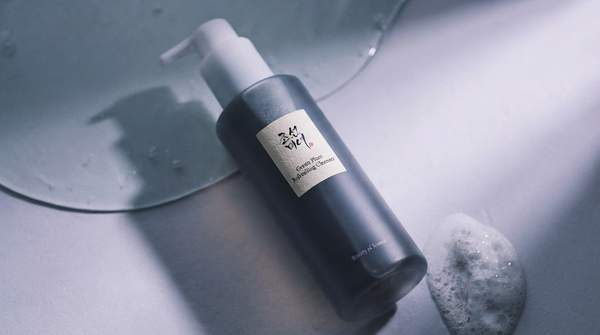
The initial phase focuses on creating a clean and balanced canvas. It typically begins with a double cleanse, using an oil-based cleanser to dissolve makeup and sebum, followed by a water-based cleanser to wash away remaining impurities. This thorough cleansing is crucial for ensuring that subsequent products can penetrate the skin effectively. The preparation phase concludes with a toner, which, in the K-beauty context, serves to restore the skin’s optimal pH balance and provide an initial layer of hydration after cleansing.
Phase 2: Treatment
Once the skin is prepared, the treatment phase delivers concentrated active ingredients to address specific concerns such as acne, wrinkles, or hyperpigmentation. This stage is characterized by layering products with targeted functions, starting with an essence. Unique to Korean skincare, essences are often formulated with fermented ingredients to hydrate and protect the skin. Following the essence, serums or ampoules are applied. These products contain highly concentrated ingredients designed to tackle particular issues, forming the core of the routine's problem-solving capacity.
Phase 3: Sealing
The final phase is dedicated to locking in the benefits of the previous steps and protecting the skin from environmental stressors. This involves applying a moisturizer to create a barrier that prevents water loss and seals in the active ingredients from the treatment products. The routine culminates with the application of sunscreen, a non-negotiable step in Korean skincare to protect the skin from UV damage, which is a primary contributor to premature aging and other skin concerns.
Science Spotlight: Key K-Beauty Ingredients and Their Mechanisms
Korean skincare is known for leveraging advanced formulations that combine natural ingredients with modern technology. Several of these ingredients, some unconventional, have gained popularity due to scientific findings that support their benefits for the skin.
Snail Mucin
Technically known as snail secretion filtrate, snail mucin is a complex mixture of bioactive molecules including hyaluronic acid, glycoproteins, glycolic acid, and antioxidants. According to an article by Dr. David Jack, its efficacy is supported by a growing body of scientific literature. These components contribute to its regenerative and protective effects, providing benefits such as intense hydration, wound healing, and anti-inflammatory properties. Research indicates that snail mucin can promote skin regeneration and may positively influence the skin's delicate ecosystem of microorganisms.
Centella Asiatica
Commonly called "cica," Centella Asiatica is a staple ingredient in products designed for sensitive or compromised skin. It is a key buffering ingredient often recommended for post-treatment repair, according to Dr. David Jack. Its benefits are attributed to its ability to support cellular regeneration and provide anti-inflammatory signals. This makes it particularly effective for soothing reactivity and supporting the skin barrier, especially when integrated into a daily routine for skin prone to sensitivity.
Ginseng
A traditional botanical extract, ginseng is widely incorporated into Korean skincare for its recognized anti-inflammatory and antioxidant properties. These benefits help protect the skin from oxidative stress caused by environmental factors. The inclusion of ginseng in skincare formulations has been linked to improvements in skin firmness and brightness, contributing to overall skin vitality and health.
Adapting K-Beauty to Your Skin Type
A central tenet of the K-beauty philosophy is customization. The multi-step routine is not a one-size-fits-all prescription but a flexible framework that can and should be adapted to an individual's skin type and concerns. This versatility makes the approach accessible for a diverse range of skin conditions.
For those with oily skin, embracing the double cleanse can be beneficial, as an oil-based cleanser effectively removes excess sebum. A lightweight, less emollient toner is also recommended to provide hydration without adding heaviness. Conversely, individuals with very dry skin might find that using only an oil-based cleanser is sufficient. Dry skin types benefit from toners containing humectants, such as hyaluronic acid, to draw moisture into the skin. For combination skin, the goal is balance, which involves selecting products that can address both oily and dry areas effectively.
Integrating K-Beauty Principles for Personalized Skincare
The effectiveness of the Korean beauty routine lies not in its number of steps, but in its underlying philosophy of methodical layering and customization. By understanding the functional purpose of each phase—Preparation, Treatment, and Sealing—and the scientific mechanisms of key ingredients, users can move beyond rigid protocols. Readers can confidently adapt K-beauty's layering philosophy and ingredient science to their individual skin concerns, moving beyond rigid routines to create a personalized and effective regimen. The reader successfully identifies which K-beauty phases and ingredients align with their skin type and concerns, leading to a more informed product selection.
Sources
- Korean Skin Care Routines: What You Need To Know — Cleveland Clinic
- The Science of Korean Skincare: A Deep Dive — ClearLucent
- Korean Beauty: Innovation & Natural Ingredients for Global Success — Data Bridge Market Research
- Korean Skin Care Routine: All the Steps From A to Z — Healthline
- From Nature to Nurture: The Science and Applications of Snail Slime in Health and Beauty - PMC
- The Science Behind Korea’s Most Unconventional Skincare Ingredients – Dr. David Jack — Drdavidjack
- Could Snail Mucin Be the Secret to a Thriving Skin Microbiome? — Sequential