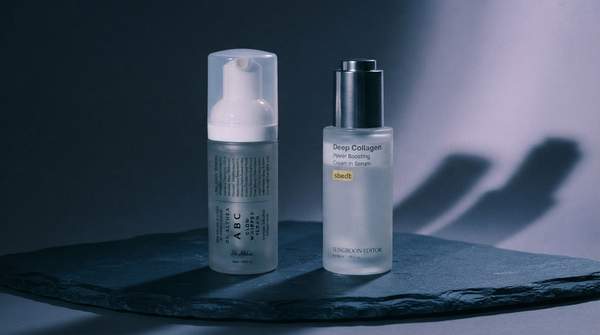
Fermentation makes skincare ingredients more effective for a simple biochemical reason: microorganisms break large, hard-to-absorb plant molecules into smaller fragments the skin can actually use, while generating new beneficial compounds along the way. This is the mechanism behind the "bioferments" central to K-Beauty, from Galactomyces ferment filtrate to fermented rice and green tea extracts. Understanding the process explains why fermented ingredients are credited with better absorption, stronger antioxidant activity, and gentler barrier support than their unfermented counterparts.
The Science Behind Fermented Skincare: A Molecular Transformation
Fermentation in skincare involves adding microorganisms—typically lactic acid bacteria or yeasts—to a starter ingredient, usually a plant extract such as rice, tea, soy, or yeast itself. Bryan Barron, writing for Paula's Choice, describes the mechanism plainly: the microorganisms release enzymes that break down the starter ingredient, leading to amplified benefits or the creation of entirely new substances that benefit skin. Though the marketing sounds high-tech, the process itself is ancient, on par with the origins of beer and yogurt.
The scientific record backs this up with specific chemistry. A review on the biological and cosmetical importance of fermented raw materials, published in the journal Molecules, documents measurable compositional shifts during fermentation: in a bioferment derived from Dendrobium officinale, total polysaccharides decreased while total polyphenols and flavonoids increased. In other words, fermentation is not merely a marketing story—it changes the ingredient's molecular inventory in two directions at once, dismantling some compounds and building up others.
Think of the process as a form of pre-digestion, as K-Beauty retailer K-Kare's skincare team puts it: friendly microbes break down natural extracts, creating smaller molecules and producing new byproducts such as amino acids, peptides, and lactic acid. Those byproducts, collectively known as postbiotics, are what the skin ultimately receives.
Enhanced Absorption: Why Smaller Molecules Matter
The core advantage of fermentation lies in molecular size and bioavailability. As skincare brand haruharu wonder explains, fermentation breaks complex compounds into smaller fragments—peptides, amino acids, and organic acids—that the skin absorbs more easily than the intact originals. Raw plant extracts often contain molecules too large to effectively penetrate the skin barrier; fermentation reduces them to fragments that can get through.
The review literature frames this as increased biological effectiveness and bioavailability: specific microbial strains used in fermentation produce additional beneficial compounds such as proteins, ceramides, amino acids, and antioxidants, which is why products containing bioferments show enhanced performance compared with their unfermented bases.
Paula's Choice adds a useful nuance: not every skincare ingredient needs to penetrate deeply to work. But making important actives like antioxidants more bioavailable means better multi-level protection from damage. The practical takeaway is that fermentation does not create benefits from nothing—it makes existing beneficial compounds more available to skin, and generates new ones in the process.
Boosting Antioxidant Power: New Compounds for Skin Protection
Fermentation's second major contribution is the generation and enrichment of antioxidant compounds. The Molecules review documents that fermentation increased total polyphenols and flavonoids in the Dendrobium officinale bioferment—two classes of compounds valued precisely for their protective, free-radical-quenching chemistry. The same review attributes the "increased biological effectiveness" of bioferments to the fact that microbial strains produce proteins, ceramides, amino acids, and antioxidants during the process.
This matters because antioxidants work best when they are present where damage occurs. If fermentation both increases antioxidant concentration and reduces molecular size so those antioxidants can better penetrate skin, the two effects compound: more protective compound, delivered more effectively. Consumer-facing sources echo the science here—K-Kare notes that fermented teas, rice, and grains deliver protective antioxidants, while fermentation simultaneously increases humectants like amino acids and polysaccharides that support hydration.
Supporting the Skin Barrier and Reducing Irritation
The third benefit is gentleness. Fermentation generates postbiotics—peptides, lactic acid, and other microbial byproducts—that skin recognizes and tolerates well. Celeste, a source cited by Biossance, says fermented ingredients result in probiotics or postbiotics that "can help support the skin's barrier, reducing skin inflammation and sensitivity."
Paula's Choice attributes a similar profile to ferments: skin-barrier-protecting postbiotics, increased ingredient gentleness, and an increase in a plant extract's soothing potential. haruharu wonder lists among the most widely used ferments Galactomyces ferment filtrate (yeast-derived), Bifida ferment lysate (probiotic-derived), Lactobacillus ferment, Saccharomyces ferment, and fermented extracts of rice, green tea, and soybean—each valued for gentle but meaningful biological activity rather than aggressive action.
The framing across sources is consistent: rather than forcing stronger actives into the skin, fermentation optimizes natural ingredients so they work more harmoniously with the skin's own biological systems. For reactive or sensitive skin, that difference in approach is often the entire appeal.
The Fermentation Transformation: Ingredient Journey to Efficacy
The following model traces a single plant extract through fermentation, connecting each molecular change to the skincare benefit it produces. Use it to see why "fermented" on an ingredient list is a functional claim, not just a label.
| Stage | What Happens | Molecular Change | Resulting Skincare Benefit |
|---|---|---|---|
| 1. Original ingredient | Raw plant extract (e.g., rice, green tea, soy) | Large molecules such as polysaccharides—often too large to effectively penetrate the skin barrier | Limited absorption of the extract's beneficial compounds |
| 2. Fermentation begins | Microorganisms—lactic acid bacteria or yeasts—are added and release enzymes | Enzymes break down the starter ingredient, "pre-digesting" it | The extract's beneficial components become usable by skin |
| 3. Molecules shrink | Complex compounds fragment | Large molecules degrade into peptides, amino acids, and organic acids | Enhanced penetration and bioavailability of actives |
| 4. New compounds form | Microbial strains produce byproducts | Proteins, ceramides, amino acids, and antioxidants are produced; in a documented bioferment, total polyphenols and flavonoids increased | Greater antioxidant protection against environmental damage |
| 5. Postbiotics accumulate | Fermentation generates postbiotics such as peptides and lactic acid | Compounds the skin recognizes and tolerates well | Barrier support, reduced inflammation, and better suitability for sensitive skin |
Read left to right, the model shows the causal chain the science supports: enzymes shrink molecules (steps 2–3), which improves delivery; microbes simultaneously synthesize new compounds (step 4), which increases protective capacity; and the postbiotic byproducts (step 5) deliver the gentleness and barrier support fermented ingredients are known for.
Embracing Fermented Skincare: A Science-Backed Choice
Consider incorporating fermented skincare ingredients into your routine to leverage their enhanced absorption, antioxidant benefits, and skin barrier support. Two caveats are worth keeping in view: these benefits describe the fermented ingredients themselves, and any individual product's performance depends on its complete formulation—not every fermented-labeled formula delivers the same results. And this mechanism explains the general science; it is not medical advice, and it cannot tell you whether a specific ferment suits a diagnosed skin condition.
If you try fermented ingredients, observe improved skin hydration, reduced sensitivity, and a more even skin tone over several weeks of consistent use. Those are the observable outcomes the documented molecular changes—smaller, more bioavailable actives, increased polyphenols and flavonoids, and barrier-supporting postbiotics—are positioned to deliver.
Sources
- Fermented Skin Care: Benefits, Uses and More — Paulaschoice
- Fermented Ingredients in K‑Beauty: Benefits, How They Work & Top Picks — K-KARE
- Fermented Skincare Benefits — haruharu wonder
- Biological and Cosmetical Importance of Fermented Raw Materials: An Overview - PMC
- Benefits of Fermented Skincare — biossance-us