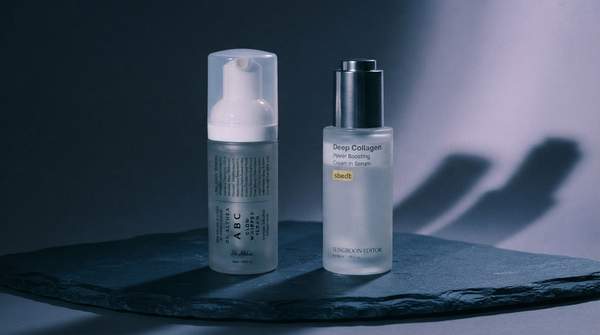
Korean skincare's newest headline ingredient, PDRN, is generating real industry buzz for 2026 — but its scientific track record is far thinner than that of two K-beauty stalwarts, Centella Asiatica (cica) and niacinamide. If your goal is soothing redness, repairing a compromised barrier, or brightening and controlling sebum, the evidence currently favors the established names. If you're drawn to regenerative, anti-aging claims, PDRN is the one to watch, with an important caveat: the sources highlighting it are industry trend reports, not clinical studies.
The Rise of K-Beauty: Trends and Timeless Ingredients
K-beauty's appeal has always rested on a blend of relentless innovation and dependable classics. Reporting from Cosmobeauty Seoul 2026 by Annemarie Kruse for Premium Beauty News found that active ingredients and functional cosmetics dominated the show, with PDRN emerging as "the standout breakthrough ingredient of the year" — appearing alongside established staples such as retinol, glutathione, collagen, and niacinamide, plus the Korean hero ingredient cica.
Industry guides for 2026 frame the moment similarly, pointing to "regenerative biotech" — PDRN, exosomes, and bioplacenta — as leading a cell-renewal trend, alongside a continued focus on skin barrier strengthening and multi-functional actives. In other words, the new and the proven are sharing the same shelf, which makes knowing the difference between hype and evidence more useful than ever.
PDRN: The Breakthrough K-Beauty Ingredient for 2026
PDRN, short for polydeoxyribonucleotide, is the ingredient everyone in the K-beauty trade press is talking about. Traditionally derived from salmon DNA, it is now also offered in vegan, plant-based alternatives — an approach Kruse's trade-show reporting notes is gaining particular traction among Korean brands targeting Gen Z consumers.
Its claimed appeal is regenerative: industry trend guides position PDRN as a key ingredient in the "cell-renewal revolution," and Vogue's Audrey Noble counts it among the innovations that define K-beauty, calling out its "reparative" positioning. What the current industry coverage does not provide is clinical trial data on topical PDRN's efficacy. The regenerative claims are real marketing momentum, but they rest on trend reporting rather than replicated dermatological research — a distinction that matters when you're deciding where to spend your skincare budget.
Established Favorites: Centella Asiatica and Niacinamide
Cica and niacinamide are the workhorses of the category, and they come with substantially stronger scientific footing. A dermatology review of K-beauty ingredients published by Dermavue grades niacinamide (at 2–5% concentrations) as having strong evidence, replicated across multiple independent labs, with high clinical utility for barrier support, brightening, sebum control, and anti-aging.
Centella Asiatica earns a moderate-to-strong evidence grade in the same review, with moderate independent replication and high clinical utility for wounds and scars, though only moderate evidence for anti-aging. Industry guides attribute cica's soothing and healing properties to compounds like madecassoside and asiaticoside, and note its anti-inflammatory benefits keep it a K-beauty staple. Together, these two cover most of the concerns — redness, barrier damage, uneven tone — that actually drive people to Korean skincare.
K-Beauty Ingredient Comparison: PDRN vs. Cica vs. Niacinamide
The table below classifies each ingredient by its primary dermatological function and the strength of evidence behind it, drawing on the Dermavue dermatology review for the established ingredients and industry trend reporting for PDRN. The verdict it supports: niacinamide has the strongest, most replicated evidence base of the three; cica is close behind for soothing and healing; PDRN's promise is currently aspirational rather than proven.
| Ingredient | Primary Function | Best For (Skin Concern) | Evidence Grade |
|---|---|---|---|
| PDRN (polydeoxyribonucleotide) | Regenerative; positioned as a cell-renewal active | Regeneration and anti-aging goals (claimed) | Industry trend reports only; clinical data not established in current coverage |
| Centella Asiatica (cica) | Soothing, anti-inflammatory, wound-healing | Redness, irritation, compromised or sensitive skin | Moderate–strong; moderate replication; high utility for wounds/scars |
| Niacinamide (2–5%) | Barrier support, brightening, sebum control, anti-aging | Barrier repair, uneven tone, oily skin | Strong; replicated across multiple labs; high clinical utility |
Choosing Your K-Beauty Ingredient for Specific Skin Goals
Match the ingredient to the concern, not the hype. For redness, irritation, or skin recovering from damage, cica is the evidence-aligned pick: its soothing, anti-inflammatory profile is exactly what that concern calls for, and its wound- and scar-related utility is rated highly in the dermatology review.
For barrier repair, brightening, or excess oil, niacinamide is the most defensible choice — it is the only one of the three with a strong evidence grade and independent replication across multiple labs, covering all three concerns at once. For regeneration and anti-aging, PDRN is the intriguing newcomer, and its vegan formulations may appeal if sustainability matters to you — but treat its benefits as promising claims rather than established facts, and consider it a complement to, not a replacement for, proven actives. This is guidance on ingredient function, not medical advice; persistent skin conditions warrant a dermatologist's input.
Making Your K-Beauty Ingredient Choice
To select the most suitable K-beauty ingredient, identify your primary skin concern — regeneration, soothing, barrier repair, or brightening — and choose the ingredient with the strongest evidence and the most aligned function for that goal. On current evidence, that means niacinamide for barrier, tone, and sebum; cica for calming and healing; and PDRN as a watch-list ingredient whose regenerative claims await clinical substantiation.
The measurable indicator of a good choice is improved skin condition matching the targeted concern — reduced redness, a stronger barrier, or a brighter complexion — after consistent use of the selected ingredient. If weeks of consistent use bring no change on that specific measure, that is your signal to reassess, and the next milestone worth watching for PDRN specifically is the emergence of replicated clinical data to back its trend-report billing.
Sources
- K-Beauty Trending Ingredients & Formulas 2026 — Kbeautypackaging
- K-beauty: top 10 innovative launches spotted at Cosmobeauty Seoul 2026 — Premium Beauty News
- From Snail Mucin to PDRN, 10 Ingredients That Define K-beauty — Vogue
- Korean Skincare (K-Beauty): Science vs Hype — Dermavue