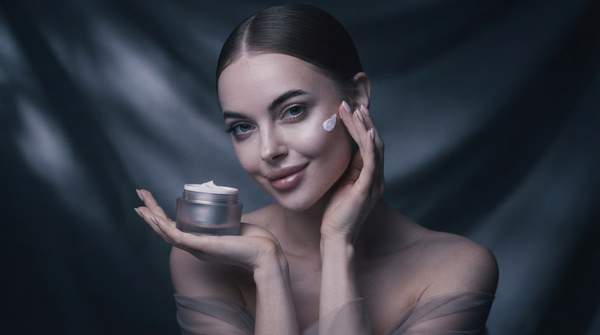
Topical niacinamide, at a 5% concentration applied twice daily, has been shown to reduce freckles and sun spots in as little as four weeks, according to health. Rapid improvement challenges the common perception that effective anti-aging treatments require prolonged use or invasive methods. Consumers can achieve noticeable changes without significant wait times. Yet, the market is flooded with expensive anti-aging products making grand claims. The most effective ingredients are often affordable and deliver measurable results with consistent use, revealing a disconnect between marketing and scientific efficacy.
As scientific understanding of skin aging deepens, the emphasis will shift from generic 'anti-aging' claims to targeted, ingredient-specific solutions. Consumers are empowered to make more informed, cost-effective choices.
The Science Behind Youthful Skin
Effective skincare begins with understanding ingredient function. Most anti-aging compounds, often sourced from natural products, combat skin aging by scavenging oxygen free radicals and enhancing the skin's natural antioxidant defenses, according to research progress on skin aging and active ingredients - pmc - nih. The mechanism protects skin cells from environmental damage, a key accelerator of visible aging. The market's complexity, with its variable formulations, often obscures this fundamental, protective science.
Key Ingredients That Actually Work
Several ingredients consistently promote skin health. Over-the-counter alpha-hydroxy acids (AHAs) at concentrations around 10% exfoliate the skin's surface, improving texture and tone, according to health. Topical niacinamide reduces yellowing, wrinkling, red blotchiness, and hyperpigmented spots in aging facial skin, as detailed by cosmetic anti-aging ingredients | springer nature link. Its versatility makes it a cornerstone for comprehensive skin improvement. Additionally, topical retinoids improve fine wrinkles by increasing skin collagen thickness with prolonged use, according to health.
While powerful, some retinoids cause irritation. Retinol, an over-the-counter retinoid, is better tolerated than prescription-strength tretinoin (t-RA), according to cosmetic anti-aging ingredients | springer nature link. Consistent application of milder forms proves more effective than sporadic use of highly irritating ones, prioritizing sustained benefits over raw potency.
Why Some Products Fall Short
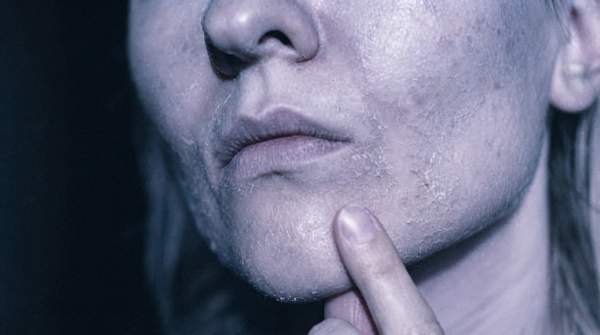
Not all anti-aging products deliver on their promises, despite scientific merit. Efficacy is often limited by variability in formulation, ingredient stability, and cutaneous bioavailability, according to cosmeceuticals for anti-aging: mechanisms, clinical .... A promising ingredient on paper might not perform effectively once incorporated into a product and applied to the skin. Manufacturing and delivery challenges can prevent active compounds from reaching target cells in sufficient concentrations. Therefore, the presence of a "hero" ingredient does not automatically guarantee results; formulation quality is paramount.
Smart Shopping for Skincare
Consumers can avoid overpaying for anti-aging products by making informed choices. A study revealed Walmart offered the lowest cost per ounce for anti-aging products among four major US retailers, according to a cost-based analysis of anti-aging products across four major united .... Effective skincare does not require a premium price tag. Evidence from health and cosmetic anti-aging ingredients | springer nature link confirms the efficacy of 5% niacinamide and 10% AHAs. Consumers are empowered to bypass exorbitant marketing claims by focusing on specific, scientifically-backed ingredients. Effective anti-aging skincare is democratized, making ingredient lists and concentrations the primary purchasing drivers, not brand loyalty or price.
Topical vs. Treatments: What's the Difference?
What are the most effective anti-aging ingredients?
No single "most effective" ingredient exists, as different compounds address various signs of aging. Niacinamide excels at reducing discoloration and improving overall skin tone. Retinoids target fine wrinkles and boost collagen production. Alpha-hydroxy acids primarily improve skin texture and brightness through exfoliation. Consistent use of these proven ingredients delivers measurable improvements, helping reverse signs of aging.
How do cosmetic procedures compare to topical skincare?
Cosmetic procedures like Botox and Juvéderm offer faster, more dramatic results for specific concerns, but their effects are temporary. Botox treatments for dynamic wrinkles typically last 3-4 months, according to Rick J. Smith MD. Juvéderm filler results can last six months to two years, according to Rick J. Smith MD. These procedures require ongoing commitment and repeated investment, contrasting with the consistent, daily regimen of topical anti-aging skincare.
Your Path to Healthier, Younger-Looking Skin
If consumers continue to prioritize scientifically-backed ingredients over marketing hype, the beauty industry will likely see a significant shift towards affordable, effective skincare solutions by Q3 2026.